
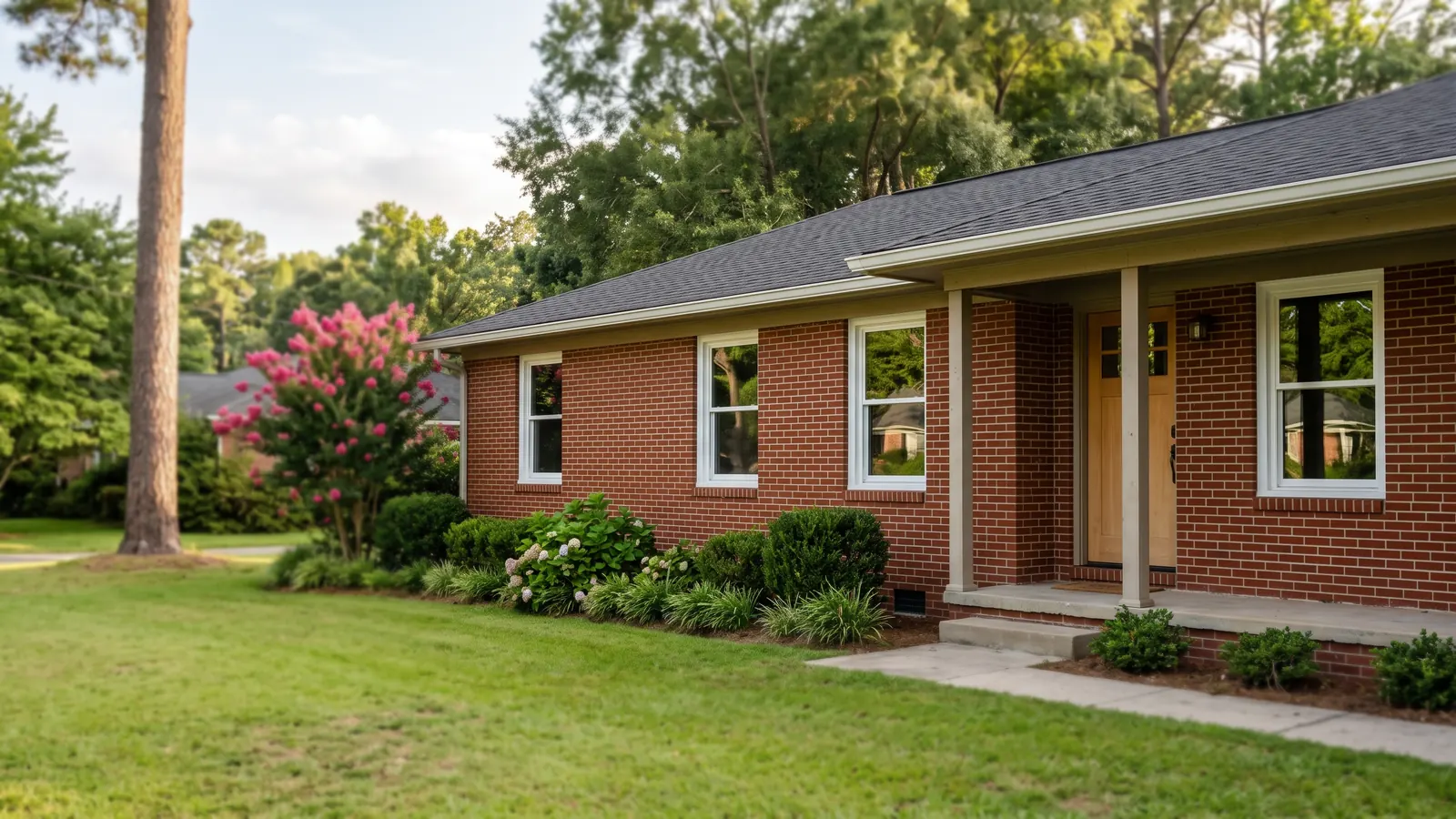
Wood and Clad-Wood Window Options
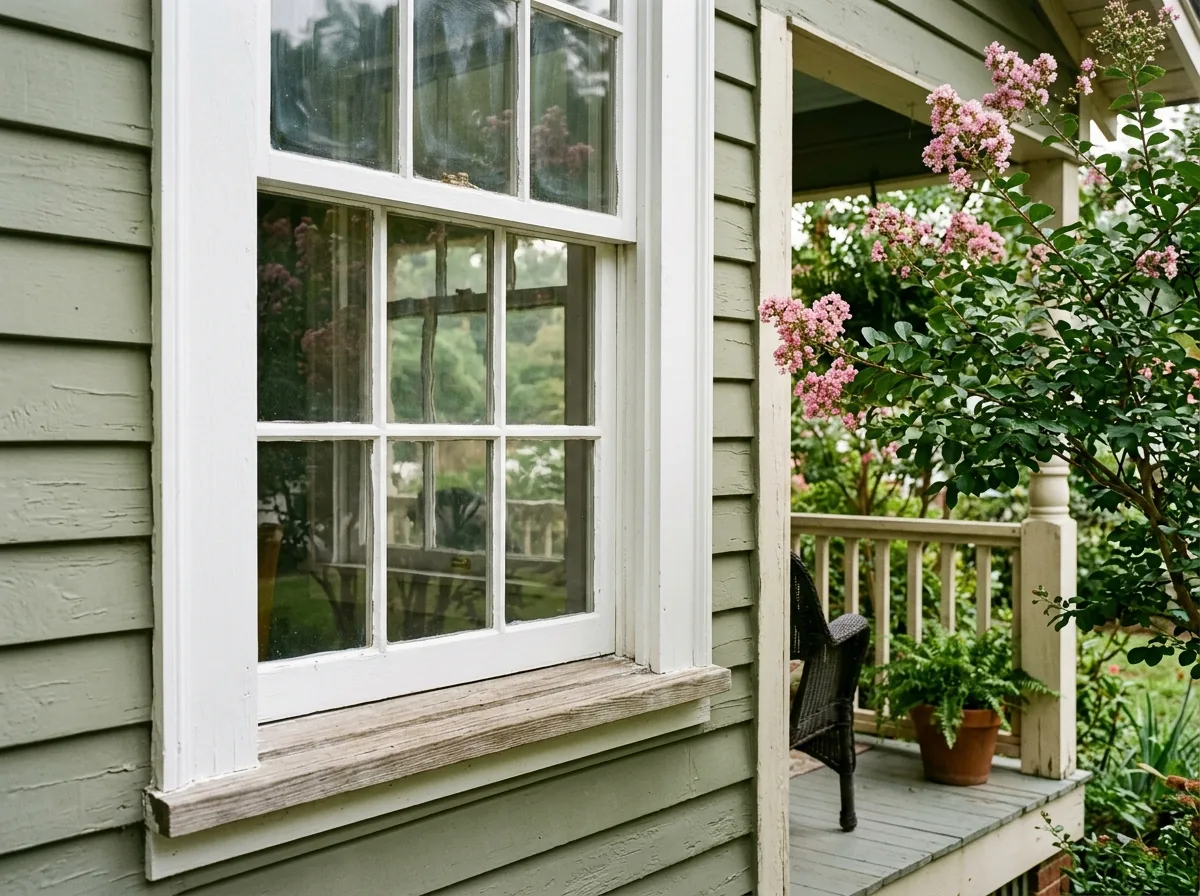
All-Wood Windows, Primed or Painted
An all-wood window is wood on both faces. It comes primed, or factory-painted, and it gets painted on site to match the house. That's the look an old Columbia bungalow or mill-style cottage was built with, and ENERGY STAR notes that wood frames insulate well and are generally the frame favored in historical neighborhoods. HomeGuide puts wood windows at $800 to $3,800 per installed unit, nationally, which makes wood the most expensive of the common frame materials. The catch is upkeep: the Department of Energy says wood frames need regular maintenance, and bare wood that loses its paint film doesn't last long in a damp climate.
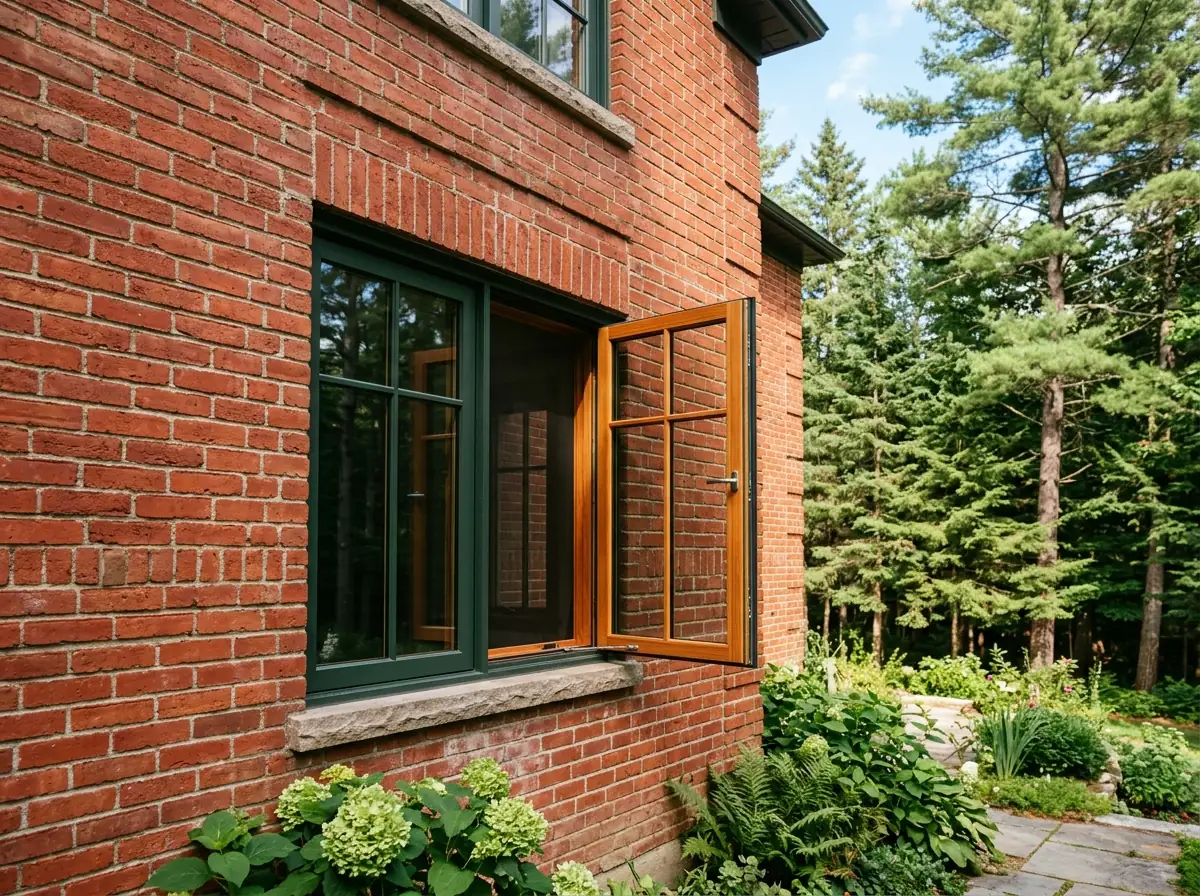
Aluminum-Clad Wood: Roll-Form and Extruded
Cladding puts a weather shell over the frame and sash. Roll-form cladding is sheet aluminum bent through a series of rollers into the shape of the profile; extruded cladding is aluminum forced through a die, thicker and stiffer, and the maker sells it as the stronger of the two. The finish matters as much as the metal. AAMA's coating specs for aluminum run in three tiers, 2603, 2604 and 2605, tested with one, five and ten years of Florida exposure respectively; ask which one the cladding meets. The DOE adds that metal-clad wood may perform slightly worse thermally than unclad wood. For lifespan, InterNACHI's chart has wood windows at 30 years or more and puts aluminum and aluminum-clad windows on a separate line at 15 to 20; it presents all of these as rough estimates.
Wood Interiors over Composite or Vinyl Exteriors
Some windows put wood only where you see it indoors. ENERGY STAR notes that many wood windows are clad with aluminum or vinyl outside to cut maintenance. Others pair a wood interior with a composite or fiberglass exterior that doesn't rot and doesn't need paint. These hybrids still give a stained or painted wood face to the room. If you're leaning that way, compare them with fiberglass and composite windows that offer a wood-veneer interior.
Sash Replacement Kits for Sound Frames
On an old double-hung with a solid frame and sill, a sash kit replaces the two sashes and fits new jamb liners into the existing frame, which carry the balances. The interior casing and exterior trim stay. The old weights and cords come out, and the empty pockets can be insulated. It's a middle path between restoring the old sash and replacing the whole window, but it only works if the frame is sound. A good installer will probe the sill and the bottom of the jambs before quoting one.
Paint, Stain and Preservative Treatment
Factory wood parts are commonly dipped or vacuum-treated with a water-repellent preservative. The U.S. Forest Service notes that window sashes and frames are commonly dipped this way, that the treatment soaks in only a very short distance, and that the exposed end grain at joints is the most vulnerable spot for decay in millwork. WDMA's I.S. 4 specification is the industry standard for that treatment. A factory finish on the outside, kept up, protects the treated wood behind it. Inside, stain or paint is mostly a question of looks.
Why Columbia homeowners call Columbia Window Co.
- Your request goes to one independent local window installer, not a list of callers
- The installer measures each opening in person before any price
- Ask for a written quote naming the frame, glass package and install method
- Free to homeowners: no fee for the referral or the estimate
Wood Window Prices
At $800 to $3,800 per installed window on HomeGuide's national figures, wood sits well above vinyl ($350 to $1,500) and fiberglass ($400 to $2,000). Cladding trades a higher price up front for less painting later. A sash kit leaves the frame and trim in place, so it involves less material and labor than a full unit. Divided-lite pattern, size, cladding and interior finish all move the number. For per-window ranges across install methods and whole-house figures, see retrofit window replacement.
Wood Windows in Columbia's Damp Summers
Rot is the risk with wood in this climate. Columbia rates high on the wood-decay hazard index, and the place it shows up first is the sill and the bottom corners of the sash, where water sits and end grain is exposed. Soft spots there are covered on the window sill replacement page, along with what can be repaired with epoxy and what has to be replaced.
To keep a new wood window healthy:
Keep the paint film whole
Touch up cracked paint at the sill and the bottom rail before water gets in, not after.Watch the putty or glazing bead
On painted wood, the joint where glass meets sash is the next weak spot.Clear the sill
Plants, pine straw and mulch piled against the bottom of a window keep wood wet.Check after storms
After a hard summer storm, look at the bottom corners of each sash and the sill. Water that sits there is the start of rot.
Wood Window Quotes for Older Houses
Wood windows usually go into the oldest houses, which brings in two rules worth checking before any old sash comes out. Paid work that disturbs paint in a home built before 1978 has to follow EPA's lead-safe rules, and Columbia's historic districts require window review before replacement. Both are explained on the historic window restoration page, along with when restoring the old sash makes more sense than a new unit.
On the quote itself, ask for:
Full unit or sash kit
, opening by opening.Species and preservative treatment
Cladding type and coating spec
: roll-form or extruded, and AAMA 2604 or 2605.Grille type
: true, simulated or between the glass.Finish
: primed, factory-painted or stained, and who paints on site.Labels
: NFRC energy numbers and the NAFS performance rating.