
Fiberglass and Composite Window Frames
Pultruded Fiberglass Lineals
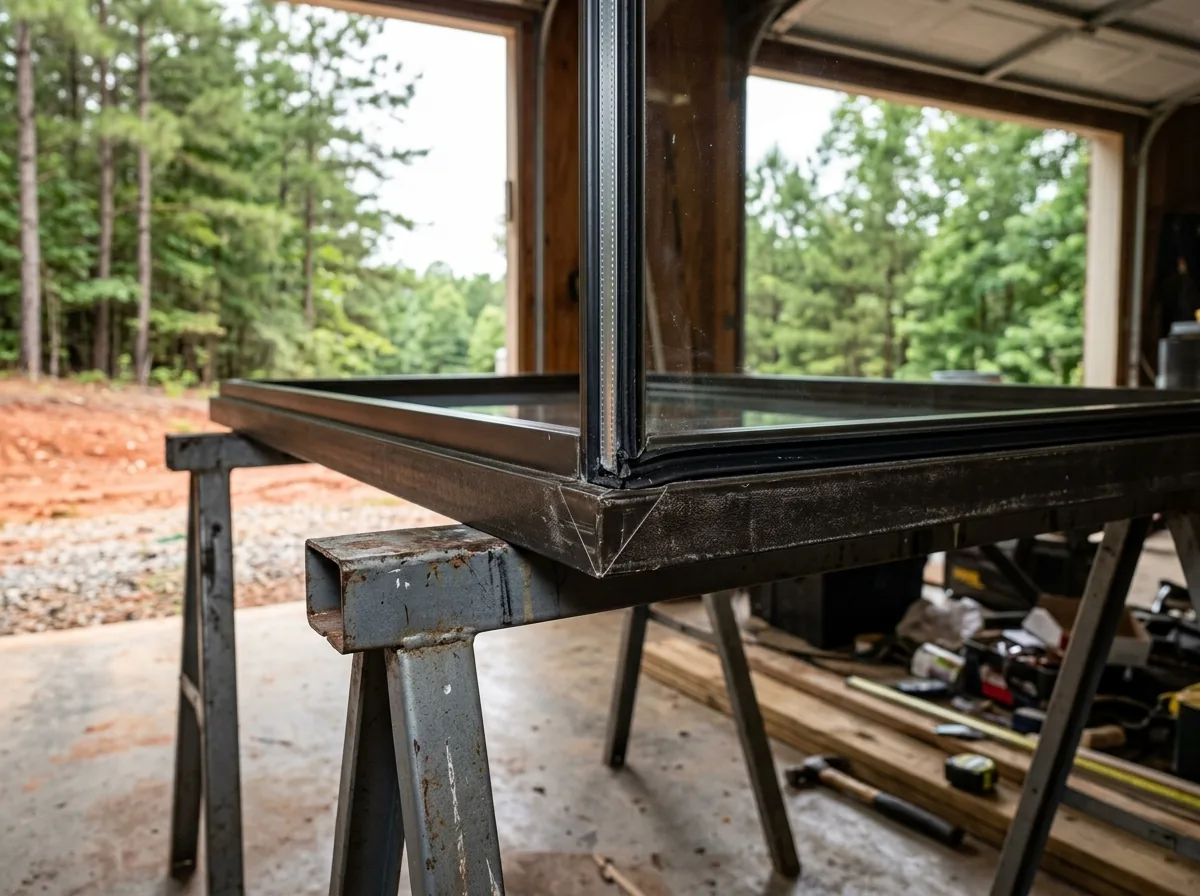
Pultrusion is a continuous process. Long strands of glass roving run the length of the profile, a glass mat adds strength across it, and the whole bundle is wetted with polyester or vinylester resin and pulled through a heated die, where it cures into a hollow profile. The Department of Energy calls the result dimensionally stable, with cavities that can be filled with insulation for better thermal performance than wood or uninsulated vinyl. Fiberglass is stiff, so the frames can be slimmer: HomeGuide credits it with narrower frames and a wider view, and puts an installed fiberglass window at $400 to $2,000 nationally.
Wood-Fiber and PVC Composite Frames
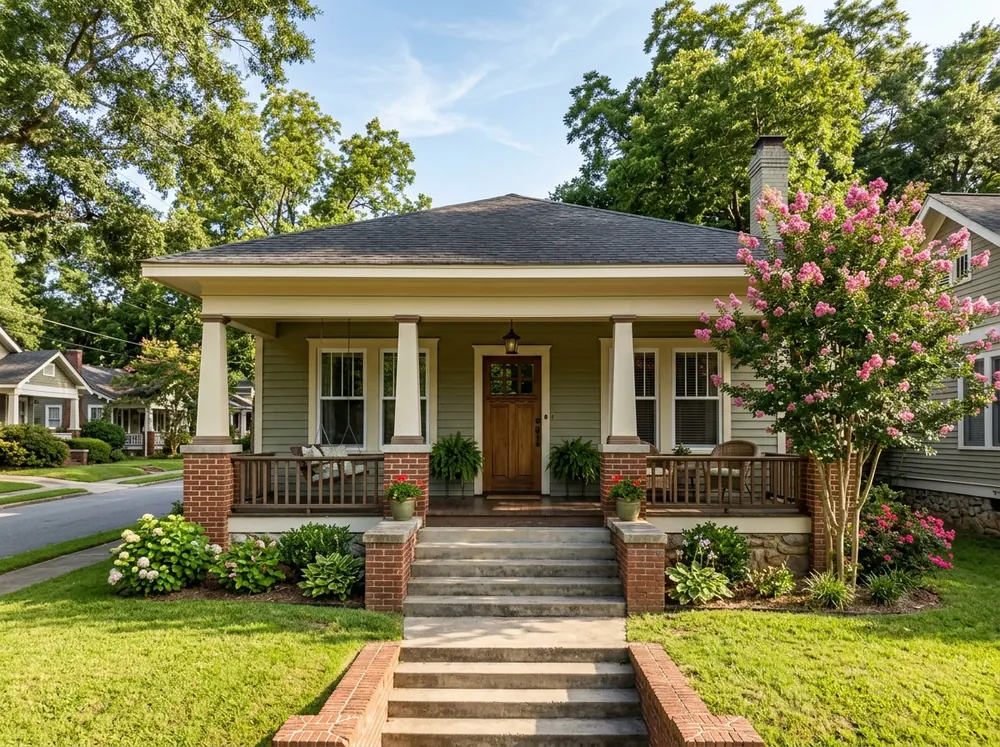
A composite frame is a blend. HomeGuide describes most as proprietary mixes of PVC or other thermoplastic polymers with wood fibers, and the Department of Energy notes composites can match or beat wood's structural and thermal properties with better resistance to moisture and decay. They cut and fasten much like wood, take paint, and don't rot. HomeGuide's national range is $400 to $2,300 per window installed. Composites aren't all the same recipe, so ask what the frame is made of; "composite" on a quote can mean several different products.
Factory-Painted and Dark Fiberglass Exteriors
Fiberglass leaves the factory painted or coated, so the color choice is wide, including dark bronzes and blacks. Paint is still paint, though. Ask whether the exterior is a baked paint or a bonded cap layer, and read the maker's published finish warranty for fading and chalking on a south or west wall.
Fiberglass Inserts and Full-Frame Units
Most fiberglass lines come two ways. An insert unit fits inside the existing frame and keeps the interior trim, which is quicker and cheaper and suits sound old frames. A full-frame unit with a nailing fin replaces everything down to the rough opening and gets new flashing. The stiffness of fiberglass helps an insert: slimmer frames give back some of the glass an insert takes away. Our retrofit window replacement page compares the two methods and what each adds to the price.
Wood-Veneer and Painted Interiors
Inside, fiberglass usually comes painted white or a color. Some lines offer a real wood veneer on the room side, stained or ready to paint, for rooms where painted fiberglass looks too plain. That gives an older house the look of wood trim indoors without bare wood facing the weather, a middle ground between fiberglass and a full wood window.
Why Columbia homeowners call Columbia Window Co.
- Your request goes to one independent local window installer, not a list of callers
- The installer measures each opening in person before any price
- Ask for a written quote naming the frame, glass package and install method
- Free to homeowners: no fee for the referral or the estimate
Fiberglass Frames and Columbia Heat
The case for fiberglass in a hot climate is expansion. A pultruded fiberglass design guide lists the material's lengthwise thermal expansion at 4.4 millionths of an inch per inch per °F. Engineering ToolBox gives plate glass 9.0 millionths per °C, which is 5.0 per °F, so the frame and the glass it holds grow and shrink at nearly the same rate. Aluminum, at 23 per °C, moves more than twice as much as glass. PVC moves six to twelve times as much (see vinyl windows).
That matters when a west-facing window sits in full sun all afternoon and then gets hit by a thunderstorm. A frame that moves with the glass should put less strain on the seal around the insulated glass unit and on the corner joints, day after day. InterNACHI groups vinyl and fiberglass on one line of its life-expectancy chart, 20 to 40 years, and HomeGuide goes further and says fiberglass tends to outlast every other frame material. ENERGY STAR describes fiberglass frames as strong, durable, low maintenance and well insulated.
Fiberglass and Composite Window Prices
On HomeGuide's national figures, fiberglass runs $400 to $2,000 per installed window and composite $400 to $2,300, against $350 to $1,500 for vinyl. The gap on a given opening depends on size, style and series, and on paint: a dark exterior or a wood-veneer interior adds to the base price. Fiberglass usually makes the most sense in three places:
Big or dark units
, where vinyl's movement is the weak point.Small openings
, where a slimmer frame shows more glass.Houses you plan to keep a long time
, if the longer life holds up for your series.
Fiberglass or Composite: Picking Between Them
The two get lumped together on quotes, and they overlap on price, but they solve slightly different problems. Pick fiberglass when the job is about stability: a big unit, a dark exterior, a hot wall, or a frame you want as slim as possible. Pick composite when the job is about looking like wood: a bungalow or older front where the sash profile and trim matter, but where you don't want to repaint bare wood every few years. Either way, the Department of Energy calls the choice of glazing the most important energy decision in most windows, so give the glass package as much attention as the frame; our energy-efficient windows page covers the label numbers for this climate.
Fiberglass Window Quotes: Lines to Ask For
Material, by name
Pultruded fiberglass, a fiberglass-and-foam profile, or a wood-fiber composite. They are different products.Finish
Exterior and interior colors, paint or cap layer, and the maker's finish warranty in writing.Install method
, for each opening: insert or full-frame, and how the sill and head are flashed.Glass package
Low-E type, gas fill and spacer, with the NFRC U-factor and SHGC for each unit.Performance rating
The NAFS class and PG number on each label.Lead time
Get the delivery estimate in writing; custom colors and veneers can add to it.