
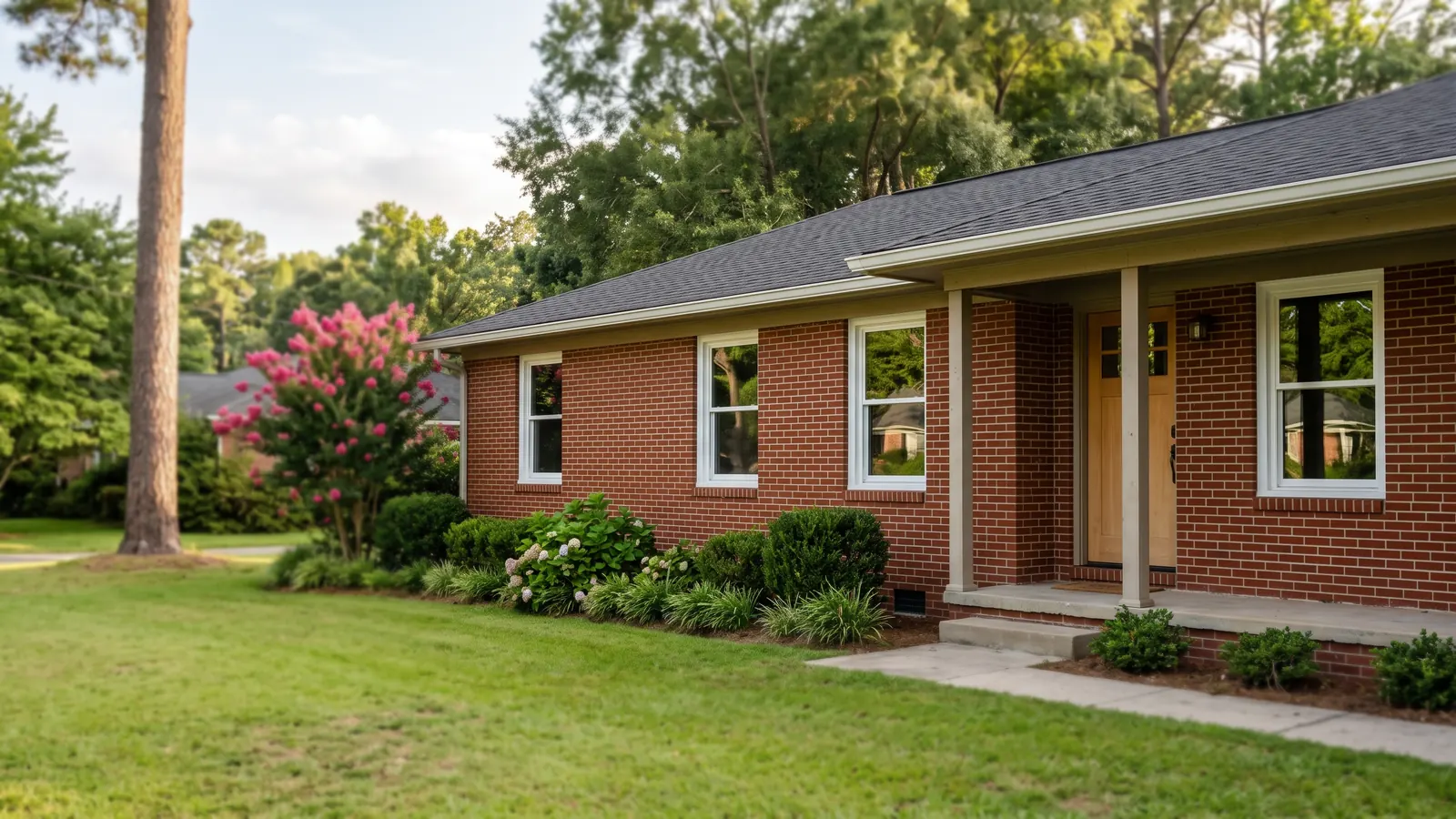
Commercial Window Replacement by Building
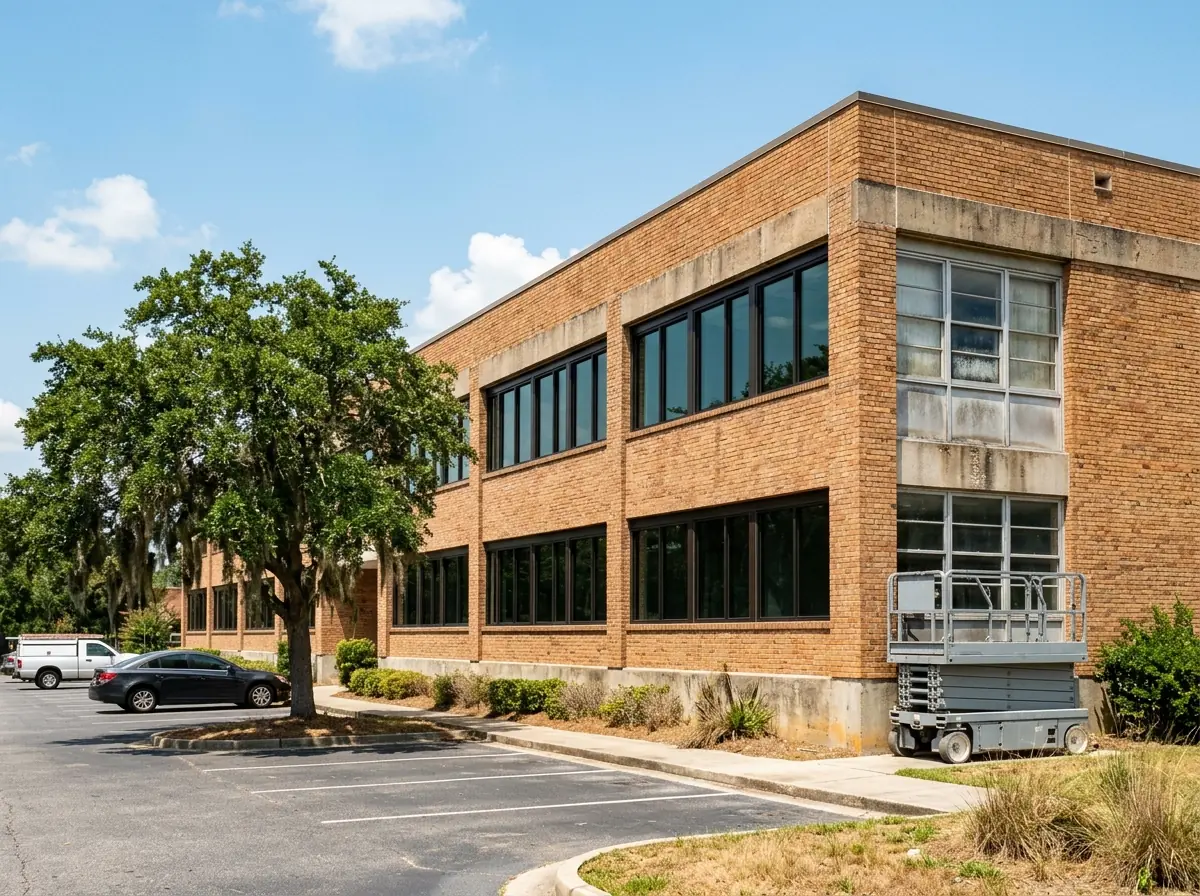
Office Buildings
Many office buildings have fixed aluminum units with a few operable vents, set in rows or ribbons. Replacement usually goes elevation by elevation so tenants keep working; ask for interior protection and for every opening that's torn out to be closed up the same day. For low- and mid-rise buildings with larger units and heavy use, the standard's suggested class is CW. On the energy side, the 2009 IECC's commercial table for climate zone 3 allows a U-factor of 0.65 for most metal-framed windows and an SHGC of 0.25 where there's no shading overhang. A whole new glass curtain wall or ground-floor storefront is a different system; see storefront windows.
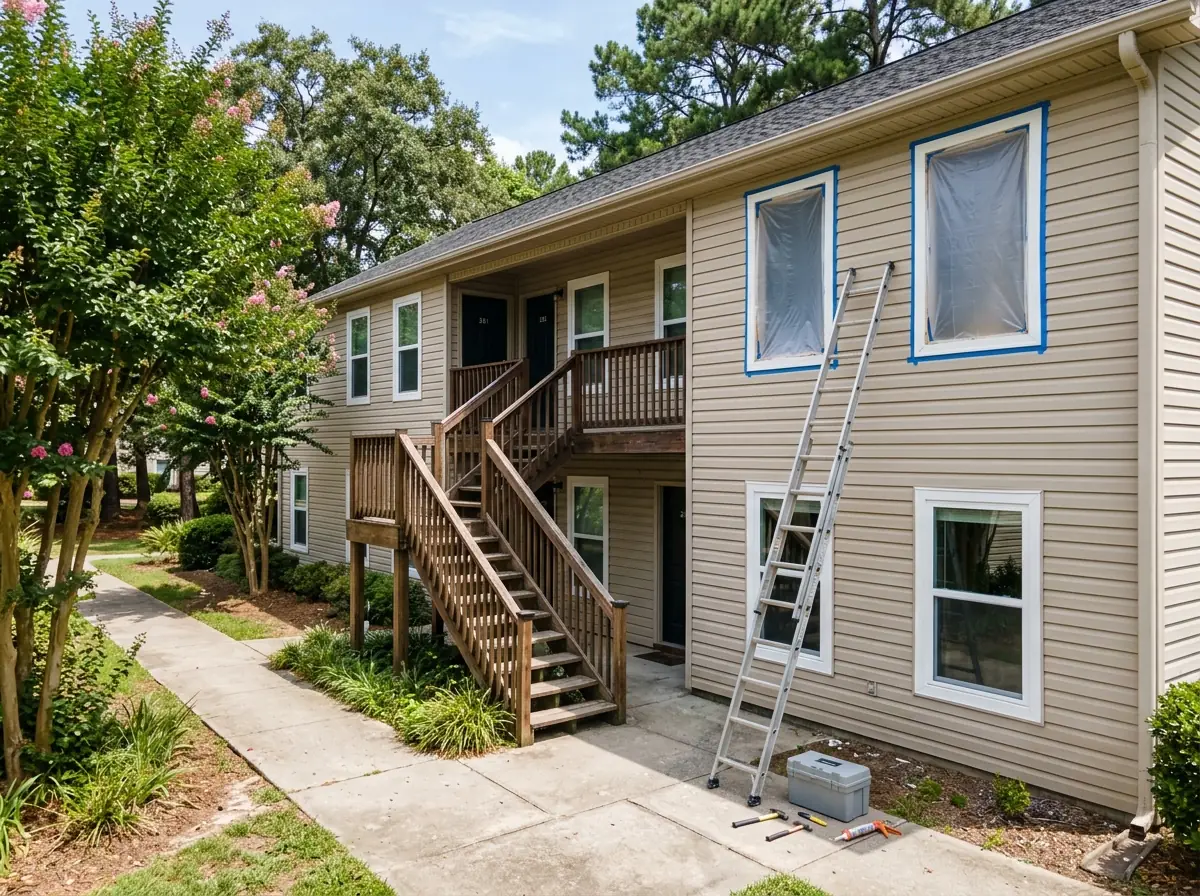
Apartments and Rental Property
Apartment work is scheduled around occupied units: notice to tenants, a set number of units a day, and windows that can be installed from outside where the building allows it. The standard's suggested class for low- and mid-rise multifamily buildings is LC. Bedroom windows have to keep their escape size, so match or beat the old opening on every bedroom unit. In buildings from before 1978, paid work that disturbs paint falls under EPA's lead-safe rules; the details are on the historic window restoration page. Townhouses fall under the residential code instead. Condo associations often set one window style for the whole building, so get that approval in writing before ordering.
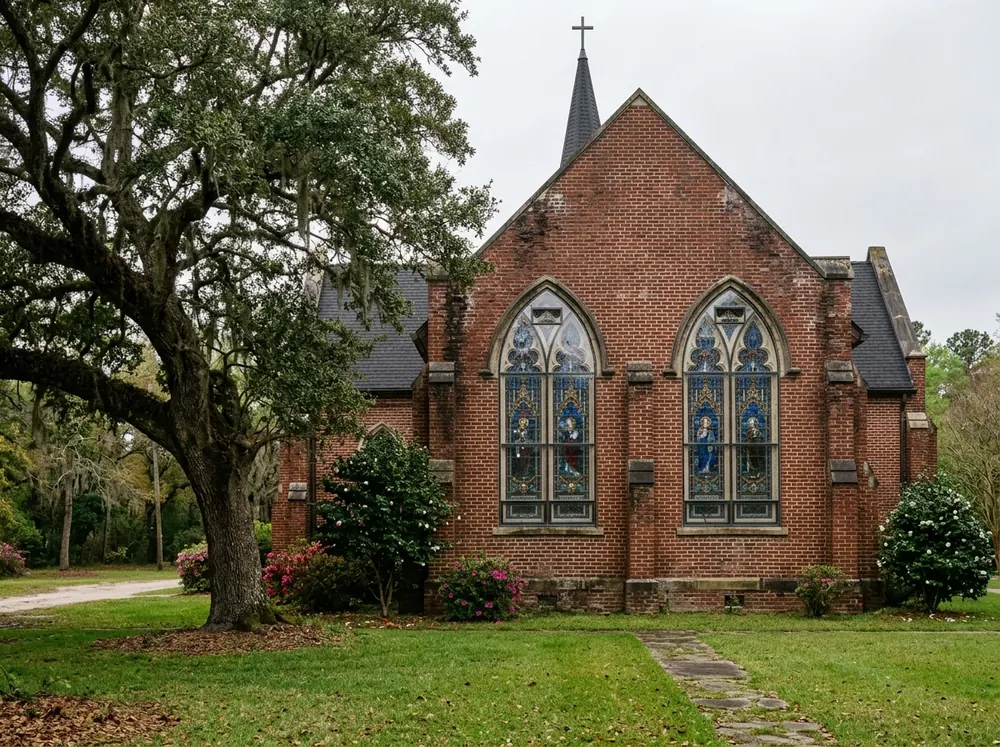
Churches and Older Institutional Buildings
Churches mix plain double-hung or awning windows in classrooms and offices with large arched openings of stained or leaded glass in the sanctuary. The plain windows can be replaced like any other. The art glass is a restoration job, and the National Park Service's guidance on it is cautious about protective glazing, the clear outer layer often added for security and weather. It says the extra layer can promote condensation and heat build-up in the air space, and that when protective glazing is added it should be ventilated. If the building is in one of Columbia's Architectural Conservation Districts, window review by the city's preservation staff comes before any replacement.
Schools and Medical Offices
Schools, daycares and clinics add two concerns: who's inside, and what the glass is next to. EPA's lead rule covers child-occupied facilities built before 1978, not just homes, so a pre-1978 school or daycare needs a certified firm for work that disturbs paint. Glass near doors, low to the floor and beside walkways falls under the building code's safety glazing sections, which are set out on the storefront page. Schedule around the calendar: summer break for schools, and evening or weekend work for clinics that can't close.
Commercial Performance Classes: LC, CW and AW
The North American Fenestration Standard (AAMA/WDMA/CSA 101/I.S.2/A440) has four performance classes, ranked from least to most demanding, each with a minimum performance grade in pounds per square foot:
- R (residential). Minimum PG 15. Suggested for one- and two-family dwellings.
- LC (light commercial). Minimum PG 25. Low- and mid-rise multifamily and other buildings with larger sizes and higher loads.
- CW (commercial window). Minimum PG 30. Low- and mid-rise buildings with larger sizes, deflection limits and heavy use.
- AW (architectural window). Minimum PG 40. Mid- and high-rise buildings and buildings with frequent, extreme use.
A higher class means a bigger test specimen, higher structural and water test pressures and, for CW and AW, a deflection limit. The standard says product selection should rest on the project's own requirements, not the suggested building types alone.
Why Columbia homeowners call Columbia Window Co.
- Your request goes to one independent local window installer, not a list of callers
- The installer measures each opening in person before any price
- Ask for a written quote naming the frame, glass package and install method
- Free to homeowners: no fee for the referral or the estimate
Commercial Window Codes in South Carolina
South Carolina enforces the 2021 International Building Code with state modifications, in effect since January 1, 2023, and the 2024 edition takes over on January 1, 2027. The energy standard is the 2009 IECC by statute. Its commercial chapter lets a project follow either the IECC's own envelope tables or ASHRAE Standard 90.1, so ask which path the design or the permit uses.
The IECC table rewards shade. With no overhang, a zone 3 commercial window needs an SHGC of 0.25 or lower. Where an overhang or deep reveal gives a projection factor of 0.25 to 0.5, the limit relaxes to 0.33, and at 0.5 or more to 0.40. An east or west wall with no shade is where the low-SHGC glass earns its cost; a north wall under a deep canopy can often use clearer glass and let in more daylight. City permits and contractor licensing rules are covered on the retrofit window replacement page.
Commercial Window Replacement Methods
There are two ways to swap commercial windows. A full tear-out removes the old frames down to the rough opening, so the contractor can inspect the framing, install a new sill flashing or subsill, and seal the window to the wall's weather barrier. A retrofit installation leaves the old aluminum frame in place and covers it with a new frame or panning system, which is faster, keeps interior finishes intact and suits occupied buildings, but depends on the old frame being sound and the old perimeter seal being dealt with. Ask each bidder which method they're pricing and why, because two bids on different methods aren't the same job.
Commercial Window Bid Checklist
Commercial bids are easier to compare when each one names the same things:
Scope by elevation
Window counts and sizes per wall, and what happens to the old frames (full tear-out or a retrofit frame over them).Product class and grade
LC, CW or AW, with the performance grade and the series name.Energy ratings
U-factor and SHGC for the whole unit, and which code path they meet.Phasing
Units or floors per day, the order, and how occupied rooms are protected and cleaned.Access
Lifts, scaffolding, sidewalk closures, and who pulls those permits.Lead-safe work
RRP certification for pre-1978 housing and child-occupied facilities.Water testing
A field water test on the first installed openings before the rest go in; testing methods are described on the window leak repair page.Manufacturer warranty
The manufacturer's published terms in writing, and who registers the product.
Ask for a mock-up or first-opening review on larger jobs; it's the cheapest place to catch a flashing or sealant problem.