
Soundproof Window Glass and Inserts
Laminated Glass
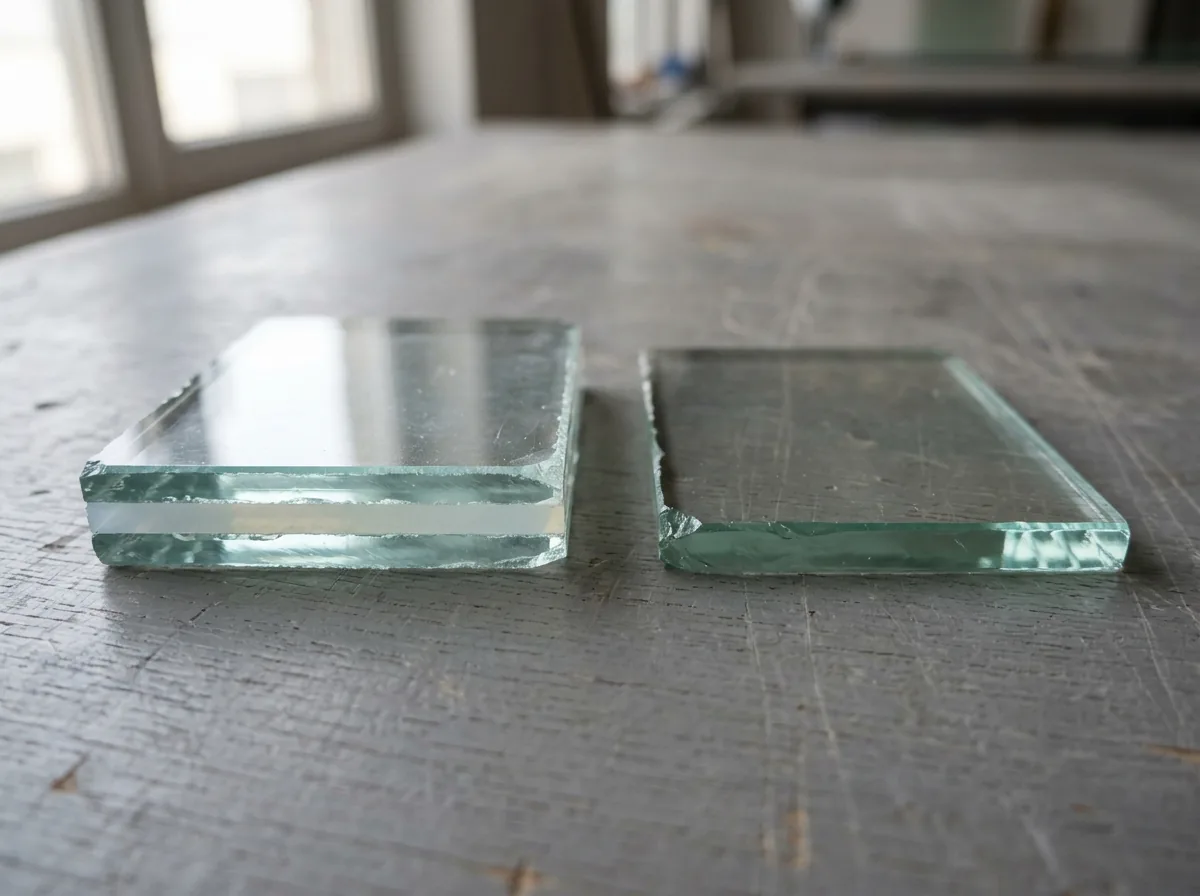
Laminated glass is two lites bonded to a plastic interlayer, usually polyvinyl butyral (PVB). The interlayer damps the glass so it rings less, and that's what cuts noise. Guardian Glass's laboratory estimates show how much it matters: a single 6 mm lite rates about OITC 28 and STC 30, the same thickness laminated with standard PVB about 32 and 36, and with an acoustic-grade PVB about 35 and 40. Guardian adds that thicker glass in a laminated makeup improves it further, so the 12 mm acoustic laminate in its table reaches OITC 40.
Asymmetric and Thicker Dual-Pane Glass
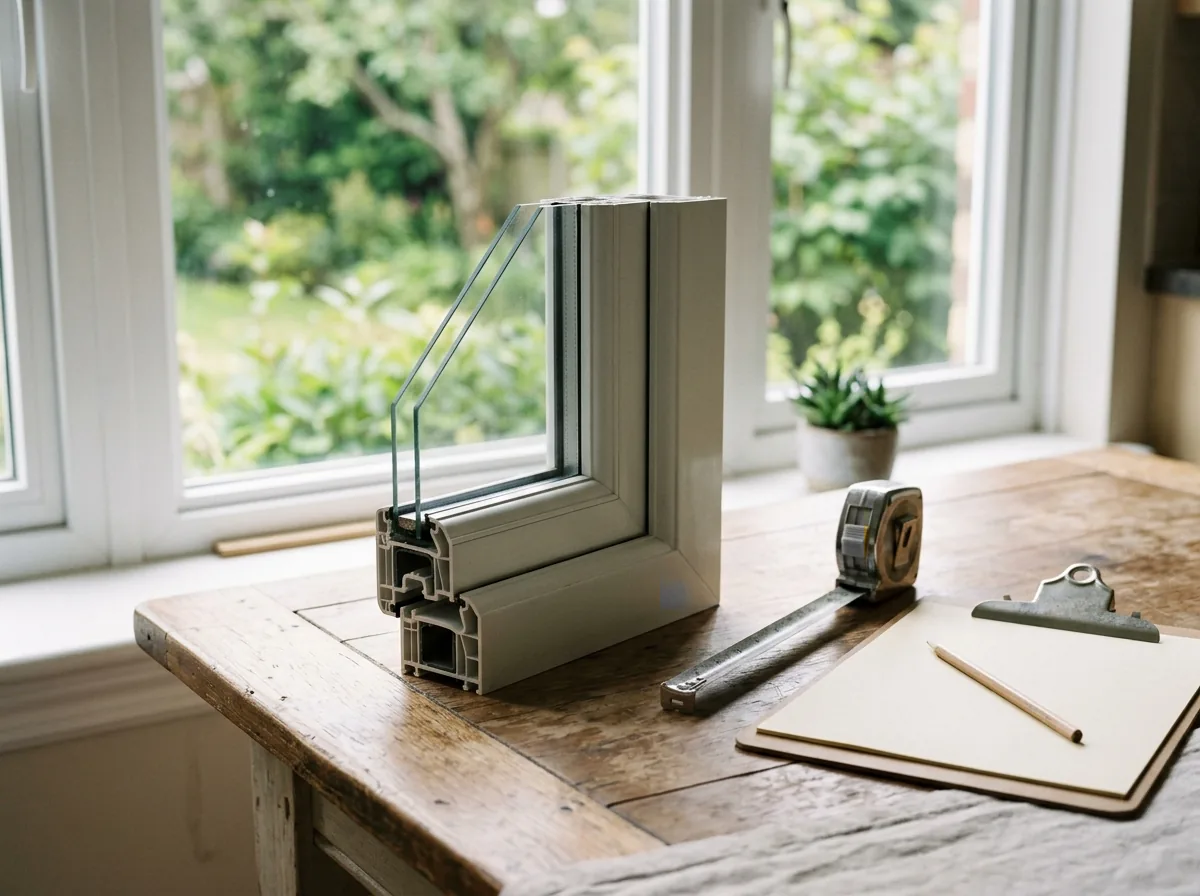
A standard double-pane window isn't much quieter than a single thick pane. The air between the panes acts like a spring and passes vibration from one to the other, a dip the National Research Council of Canada calls the mass-air-mass resonance, and it falls at 200 to 400 Hz in typical factory-sealed units. That's right where road traffic puts much of its energy. Two fixes work. Use glass of different thicknesses, so the two lites don't resonate together; the NRC found a thickness ratio of about 2 is most effective. And use heavier glass: Guardian's table moves a 6 mm / 6 mm unit from OITC 29 to 33 by making the outer lite 12 mm, or to 35 by laminating the inner lite with acoustic PVB.
Triple pane, often sold as the quiet option, isn't. The NRC says triple glazing gives essentially the same noise reduction as double unless the gaps are very large, and Guardian's estimate for a 6 mm triple unit is OITC 29, the same as plain double pane.
Interior Acoustic Inserts
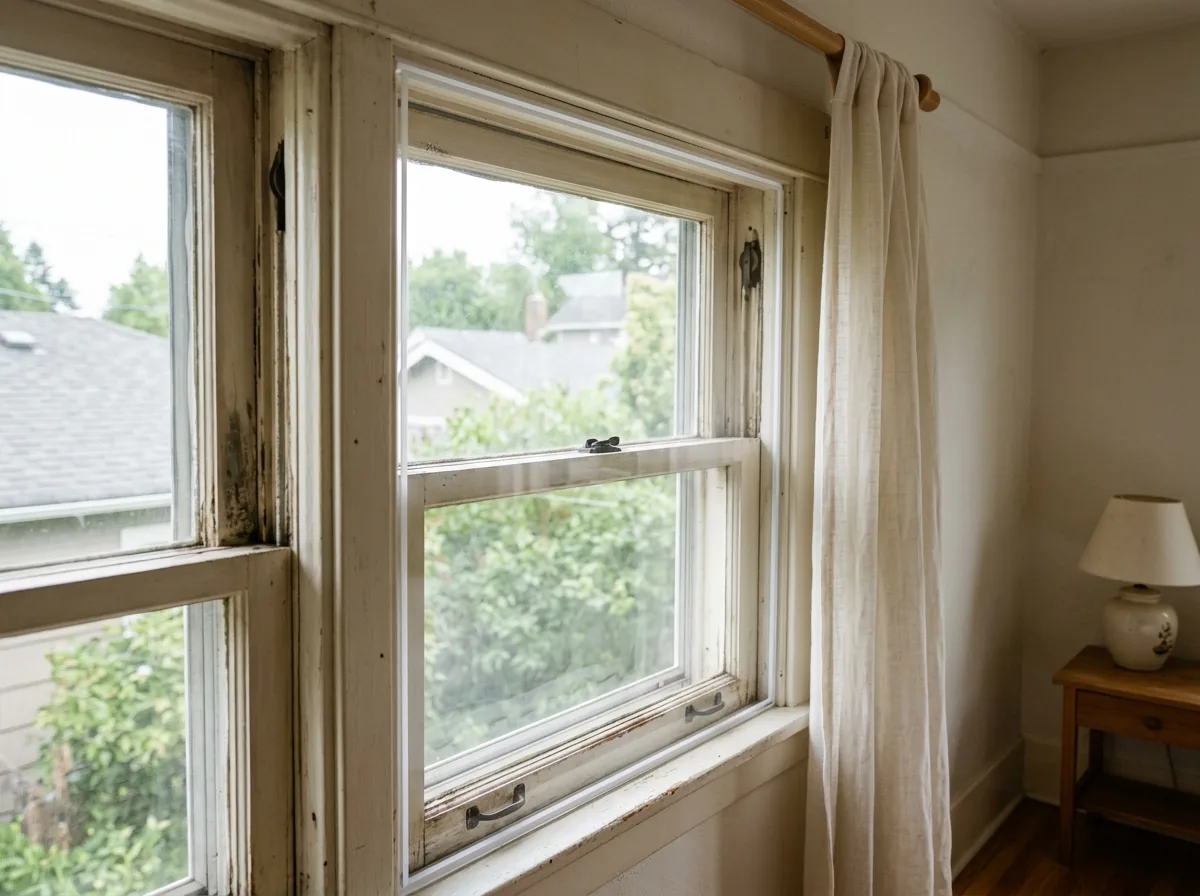
An insert is a second glazed panel fitted inside the existing window, leaving a deep air space between the two. That depth is the point. The NRC reports that each doubling of the air space adds about 3 to the STC, and a gap measured in inches, rather than the half inch or so of a sealed unit, lowers the resonance frequency that lets traffic rumble through. Inserts keep original windows in place, which suits older houses and rentals, and they can be removed. They work best on windows you rarely open. If the old sash is worth keeping for its own sake, pair the insert with the repairs on our historic window restoration page.
STC and OITC Ratings
STC is calculated under ASTM E413 and describes the reduction of speech; OITC, under ASTM E1332, runs from 80 Hz and is weighted to an outdoor noise spectrum of traffic, rail and aircraft, so it's the better measure for an exterior window. Guardian notes that a rating of 30 cuts perceived volume to about an eighth, and 40 to about a sixteenth. Two cautions: glass-only figures are center-of-glass estimates, and Guardian warns a site-installed panel can lose about 6 dB against the lab specimen. Ask for a test of the whole window assembly under ASTM E90 or E1425.
Air Sealing the Frame
Sound goes through gaps first. The NRC found an openable window with good weatherstripping rates 3 to 5 STC points below the same window sealed shut, and that lightweight metal frames tested lower than wood. So the install matters: the gap between the new frame and the wall gets insulated and sealed all the way around, and worn sash weatherstripping gets replaced. Where water gets in, sound does too; leak-prone joints are covered under window leak repair.
Why Columbia homeowners call Columbia Window Co.
- Your request goes to one independent local window installer, not a list of callers
- The installer measures each opening in person before any price
- Ask for a written quote naming the frame, glass package and install method
- Free to homeowners: no fee for the referral or the estimate
Soundproof Window Cost: National Ranges
HomeGuide's national figures:
Complete soundproof window
$550 to $2,000 per window installed, glass and frame.New acoustic glass in an existing frame
$450 to $1,500.Lower-cost options
$15 to $500 per window for acoustic caulk, foam plugs, curtains, shutters or secondary glazing.
For comparison, HomeGuide puts standard window replacement at $400 to $1,000 per window. Laminated or asymmetric glass is usually an option on a window series you'd buy anyway, so ask for the same window priced with and without it.
Traffic Noise Around Columbia
Interstates 20, 26 and 77 all run through the Columbia area, along with the busy roads that feed them. Engine and tire noise is heavy in the low frequencies, the range where standard double pane is weakest, which is why OITC is the number to compare. Start with the rooms that face the noise. A bedroom on the quiet side of the house doesn't need the same glass as the one over the road, and doing those rooms first keeps the bill well below a whole-house job.
If sleep is the reason you're looking, start with the bedroom window you'd keep shut at night anyway. A fixed or rarely opened window with laminated glass, or an insert inside an existing window, gives the most quiet per dollar there.
You may be offered impact-rated glass in the same conversation. Columbia's code doesn't require impact windows for wind, as the storm windows page explains, so buy for the OITC rating and treat impact resistance as optional. The glass package for heat (low-E coatings and gas fill) can be ordered on top of an acoustic makeup; that side is on the energy-efficient windows page.
Soundproof Window Quote Questions
Which rating, and for what?
Whole-window STC and OITC from a lab test, not center-of-glass numbers.What's the glass makeup?
Thickness of each lite, air space, and whether one lite is laminated with an acoustic interlayer.Which windows?
Only the rooms that face the noise, or the whole house.Operable or fixed?
A fixed or rarely opened window holds its rating better.How is the frame sealed?
Insulation and sealant around the whole perimeter, and new weatherstripping.Insert or replacement?
An insert keeps the existing window; a replacement replaces the glass, the frame and the air leaks together.