
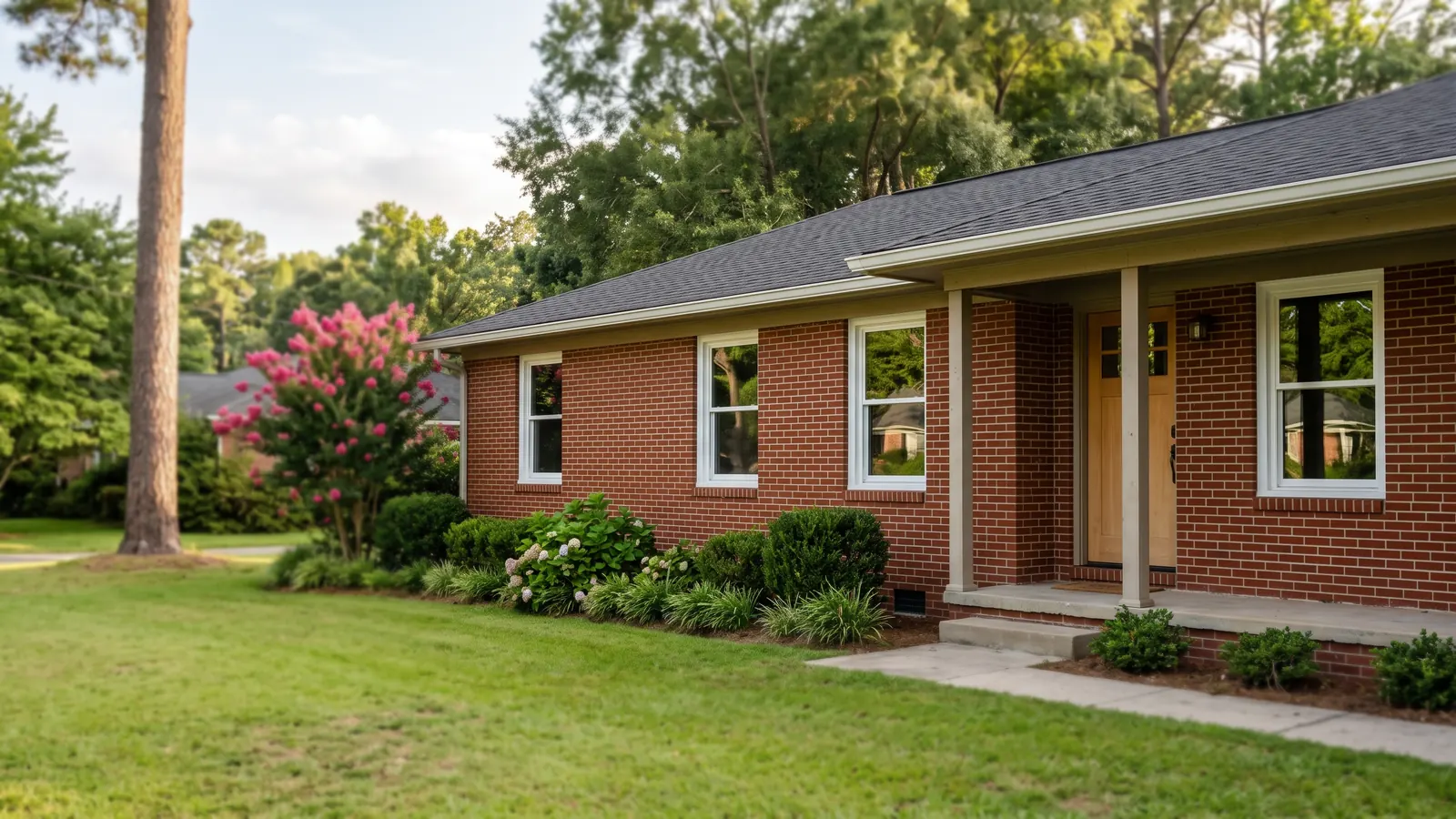
Window Screen Replacement Choices for Every Opening
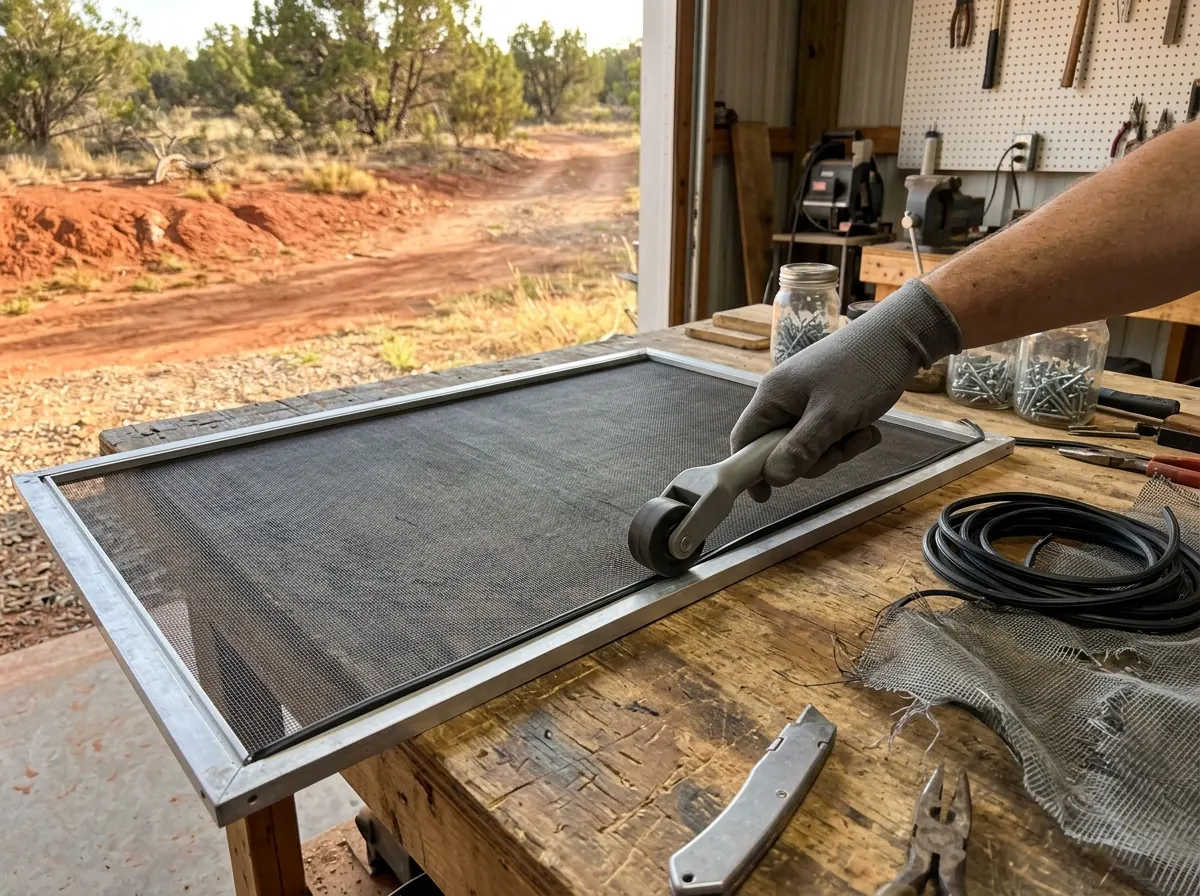
Rescreening Existing Frames: Fiberglass vs. Aluminum Mesh
If the frame is straight and the corners are tight, the mesh and spline are the only parts that wear out. The old spline is pulled from its channel, new mesh is laid over the frame and rolled in with fresh spline, and the excess is trimmed.
Fiberglass and aluminum are the two common meshes. HomeGuide notes both are light and rust-free, and that fiberglass tends to stretch over time and gets replaced more often. Fiberglass is softer and easier to roll in. Aluminum creases if it's pushed, so a hand or a ball can dent it.
Pet-Resistant Screen
Dogs that jump at the window and cats that climb go straight through standard mesh. Pet screen is a much heavier PVC-coated polyester, and it needs a sturdier frame and a wider spline to hold it. It's thicker, so it blocks a little more view and airflow. Many homeowners put it only on the low windows and the screen door the animals actually reach.
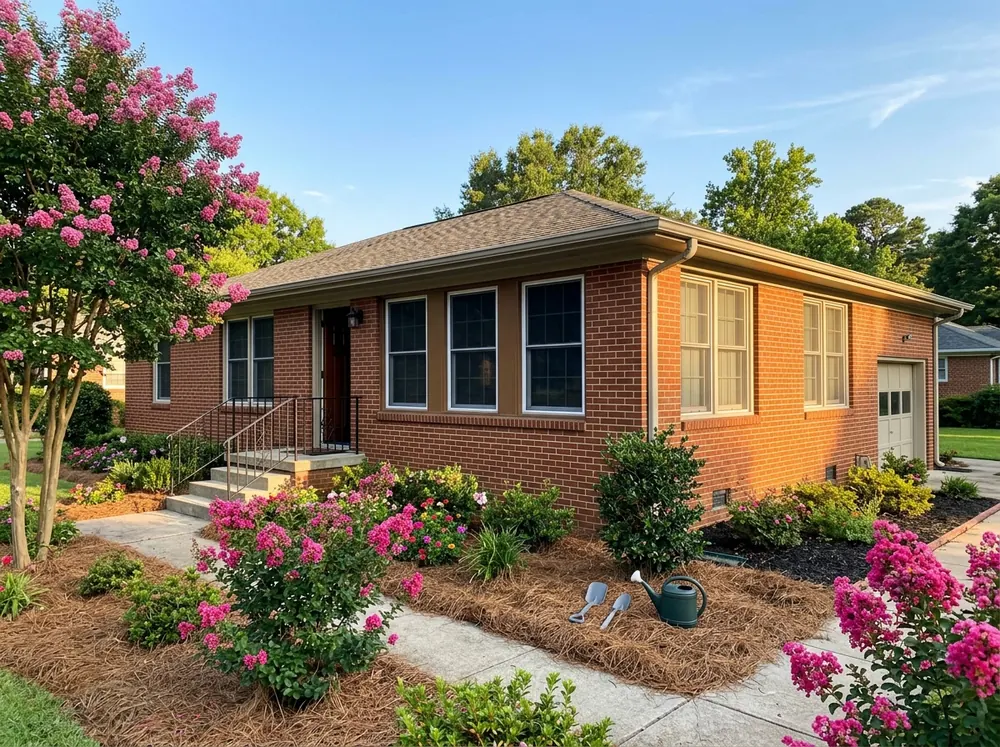
Solar Screens
Solar screens are a dense, dark mesh on the outside of the glass that catches sunlight before it reaches the window. The Department of Energy says they reduce solar heat gain, UV damage and glare, and that their openness factor sets the trade-off: more open weaves let in more view and light but block less heat. HomeGuide puts the heat blocked by exterior fixed-panel solar screens at 65% to 90%, with the higher percentages costing more.
They earn their keep on west and south windows, the ones that bake in the afternoon. They also darken the room, so few people put them on every window.
New Custom Screen Frames
Replacement windows often arrive with screens, but older windows lose theirs to storms, moves and painting. A new screen frame is cut from aluminum frame stock, joined with corner keys, and fitted with pull tabs or tension springs to match how the window holds it. Arched, half-round and odd-size windows need a template or exact measurements. HomeGuide's national range for custom screens is $150 to $500 per window installed.
Sliding Screen Doors
A sliding screen door rides on small rollers in its own track outside the glass panel. It fails in familiar ways: the wheels flatten, the frame racks out of square and the door jumps the track, or the latch stops catching. Sometimes new rollers and a straightened frame are enough. When the frame is bent, a new door built to the opening height is the fix. A patio door with worn rollers or a bad glass panel is a different job: see sliding glass door repair.
Retractable Screens
Retractable screens roll into a housing on the side or head of the opening when you're not using them. They're used on French doors and other swinging doors where a fixed screen would be in the way. Ask what they're built with: the housing, the guide track at the sill (a raised track is a trip edge) and whether the mesh can be replaced on its own without buying a new cassette.
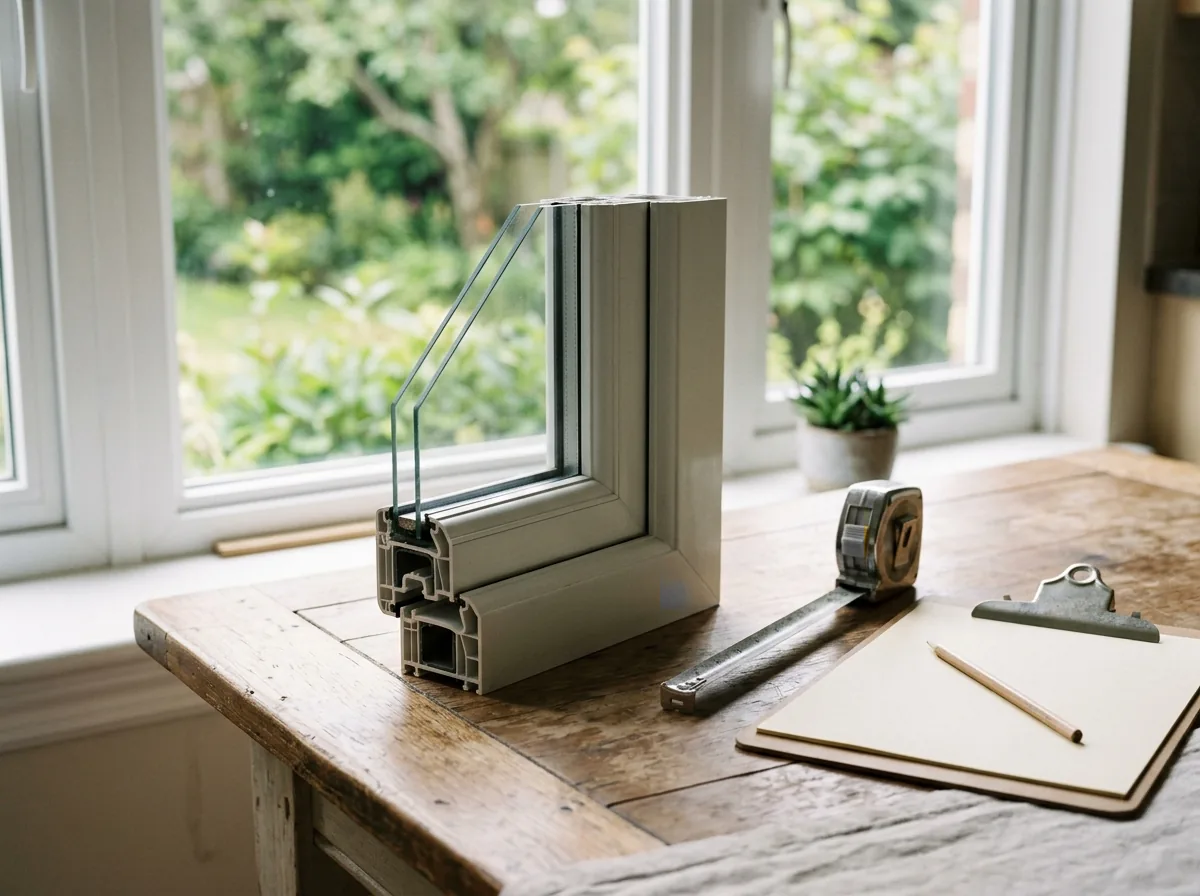
Why Columbia homeowners call Columbia Window Co.
- Your request goes to one independent local window installer, not a list of callers
- The installer measures each opening in person before any price
- Ask for a written quote naming the frame, glass package and install method
- Free to homeowners: no fee for the referral or the estimate
Window Screen Replacement Prices and Materials
HomeGuide's national numbers are a fair starting point:
Standard screens
$100 to $350 per window installed. Repairs to an existing screen run $10 to $120.By mesh, installed
Fiberglass $50 to $250 per window; aluminum $65 to $350; stainless steel $60 to $450.Specialty mesh
Pet-proof screens $100 to $500. Exterior solar screens $50 to $150 per window.Labor
Screen installers charge about $15 to $50 per window, so a whole-house order costs less per screen than one panel alone.
What raises a quote: frames that have to be built new rather than rescreened, arched and shaped windows, second-story screens that have to come off from outside, and heavier mesh that needs a wider spline.
Window Screen Measuring: What to Get Right
A screen only fits one way. Before ordering, a good installer will check four things:
- STEP01
Width and height of the screen track or channel
, not the glass. Measure all four sides, since old frames aren't always square. - STEP02
How the screen holds
Plunger pins, tension springs, pull tabs or turn buttons decide which frame and hardware get ordered. - STEP03
Inside or outside mount
Casement and awning windows take the screen on the room side because the sash opens out. Double-hung and slider screens usually go on the outside. - STEP04
Frame color and mesh color
White, bronze or almond frames should match the window, and the mesh color should be named on the order.
Write the measurements on a list by room. When one screen blows off in a storm, that list saves a second visit.
Window Screens in Columbia Sun and Pollen
Two things wear screens here. The first is sun. Columbia sees about 81 days a year at 90°F or hotter, and screens sit in that sun all summer. Old spline that has hardened lets the mesh pull loose at a corner, and rescreening with new spline fixes it. The second is spring pollen and summer grit, which clog the mesh and cut airflow. A screen you can lift out and hose off lasts longer than one that's stuck in a painted channel.
If heat through the glass is the real complaint, a screen is the cheaper first step and new glass is the bigger one. The energy-efficient windows page covers the SHGC numbers to look for, and storm windows add a second pane over old glass.