

Foggy Window Repair Options for Insulated Glass
Insulated Glass Unit (IGU) Replacement
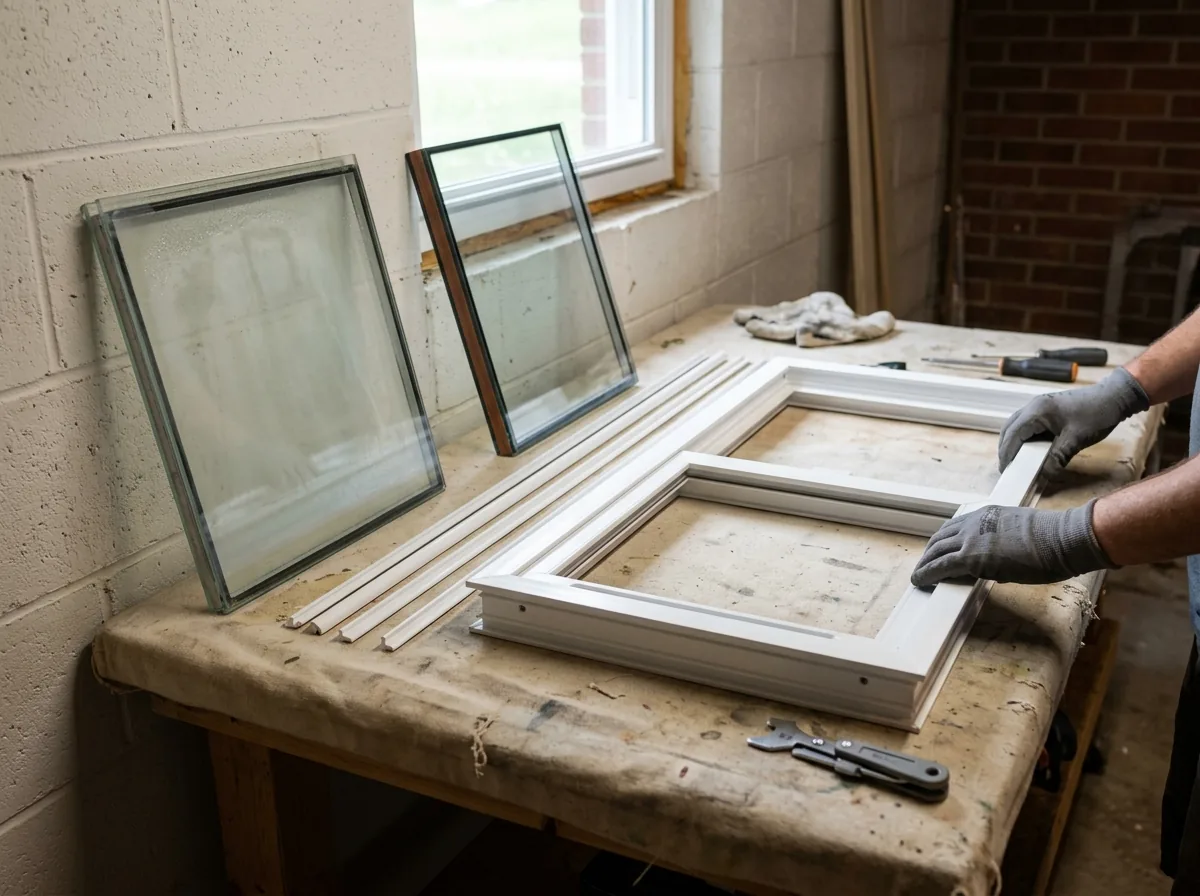
This is the usual fix. The installer pulls the glazing beads or stops, lifts out the fogged unit, and measures the glass and its overall thickness. A glass shop builds a new sealed unit to those numbers, and it goes back into the same sash on new glazing tape or sealant. The frame, the trim and the paint around it stay put.
It only works when the sash is sound and the glazing pocket can be opened without breaking it. Vinyl and aluminum sashes with snap-in beads usually come apart cleanly. Some factory-glazed sashes are bonded and don't.
Sash Replacement When the Glass Can't Be Matched
Some windows build the glass into the sash at the factory, so there's no bead to pull. HomeGuide notes that on older or discontinued models a matching replacement unit may not be available at all. In that case a new sash from the maker, or a close match cut to fit the old jambs, does the job without disturbing the frame or the wall. Tilt-in double-hungs are the easiest case, since the sash lifts out of the balances.
Defogging Services and What They Leave Behind
A defog service drills small holes in the glass, washes the moisture out and plugs the holes with vents. The view clears. But the unit was hermetically sealed to begin with, and drilling it means it isn't sealed anymore. Any argon that was left isn't put back, and the desiccant that already soaked up its share of water stays where it is. We'd treat defogging as a cosmetic option for a window you plan to replace in a few years, not as a repair.
Condensation Inside, Outside or Between the Panes
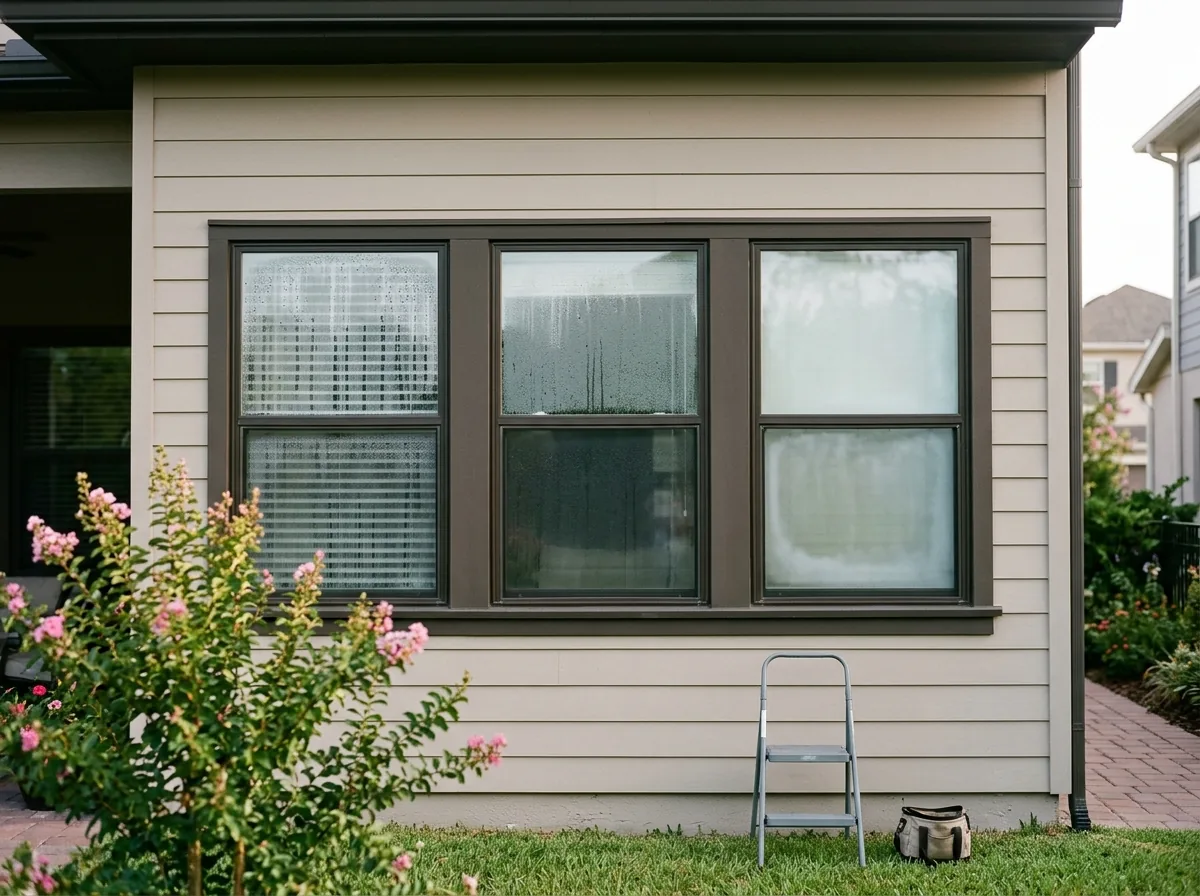
Where the water sits tells you what's wrong:
- Room side. Indoor humidity is meeting cool glass. With summer dew points here sitting near 70°F, a hard-running air conditioner can put beads on the inside of the glass by mid-afternoon. Nothing is broken.
- Outside face. Dew on the exterior glass on a cool morning means the glass is keeping the house's heat in. A good unit does this.
- Between the panes. The seal has gone. If the haze comes and goes with the weather, moisture is creeping in slowly. Once it stays put, the seal has been breached and the fogging is permanent.
When the Whole Window Should Go
Glass is the cheap half of a window. When the frame is soft, the balances are worn out and several units are fogging at once, paying to reglaze a tired window rarely makes sense. Full replacement prices and install methods are on the retrofit window replacement page.
Why Columbia homeowners call Columbia Window Co.
- Your request goes to one independent local window installer, not a list of callers
- The installer measures each opening in person before any price
- Ask for a written quote naming the frame, glass package and install method
- Free to homeowners: no fee for the referral or the estimate
Foggy Glass Seal Failure: How an Insulated Unit Breaks Down
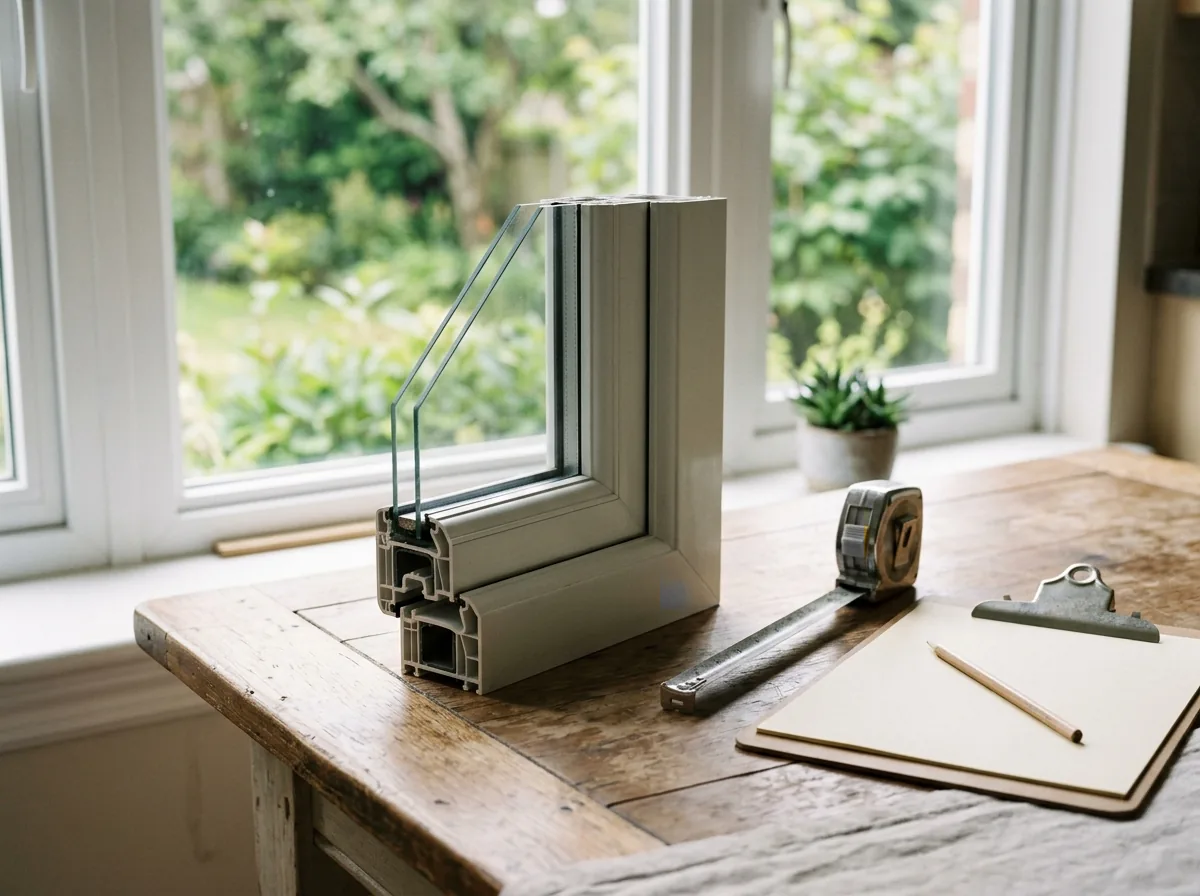
An IGU is two (or three) sheets of glass held apart by a hollow spacer around the edge. Sealant bonds the glass to that spacer, and desiccant beads or gel inside the spacer dry the trapped air. The spacer and its sealant keep the panes apart, keep moisture out and hold the gas in.
When the edge seal is breached, damp outside air gets into the space faster than the desiccant can absorb it. The desiccant fills up and the extra water condenses on the inner glass faces. The trade's own definition of a failed unit, from the Insulating Glass Manufacturers Alliance, is a permanent obstruction of vision from dust, moisture or film on those inner surfaces.
How long a seal lasts mostly comes down to how well the unit was made and how it was glazed into the sash. On a sealed unit, gas loss is slow. The Efficient Windows Collaborative puts the leak rate for an efficient window at about 0.5% of the fill per year, so after 20 years the window still performs at about 90% of its original level. A fogged unit is a different case. The seal is open, so the gas has a direct way out.
What wears seals down is water sitting against them. Glazing pockets are supposed to drain through weep holes. When those clog, rain sits against the bottom edge of the unit. If a fogged window is also leaking, see window leak repair before you buy new glass, or the new unit will sit in the same water.
Foggy Window Repair Pricing and the Glass Order
HomeGuide's national figures put window glass replacement at $300 to $650 per window on average. Standard double-pane glass runs $300 to $800, and argon-filled units $400 to $900. The same guide says a glass-only fix usually costs 30% to 70% less than replacing the window. Size and access move the price most. A large unit or a second-story sash that has to come out from inside costs more than a ground-floor bedroom window.
Ask for the glass order in writing, unit by unit:
Glass makeup
Pane thickness, low-E coating and gas fill. The energy-efficient windows page explains which coating suits a cooling-heavy house.Spacer type
Warm-edge or metal. A warm-edge spacer cuts heat flow at the glass edge and, per the Efficient Windows Collaborative, reduces condensation there.Safety glass
A pane in a door or another hazardous location has to be tempered or laminated. The sliding glass doors page lists those locations.Lead time
Sealed units are made to order, so the opening may sit with temporary glazing or the old unit until the new one arrives.Beads and sealant
Whether the old glazing beads go back in or new ones are supplied, and what bedding tape or sealant sets the new unit.
Foggy Window Repair Visit, Step by Step
- STEP01
Check each window
Note which panes fog all the time and which only on some mornings. Photos taken at the worst time of day help. - STEP02
Measure the glass
Unit size and overall thickness, plus whether the sash can be opened. A good installer will also press on the sill and look at the balances before pricing glass. - STEP03
Order
The new units are built to the measurements. - STEP04
Swap
Beads out, old unit out, glazing pocket cleaned and weeps cleared, new unit set and shimmed on setting blocks, beads back in. - STEP05
Look again in a week
A new unit should stay clear on the same mornings the old one fogged.