
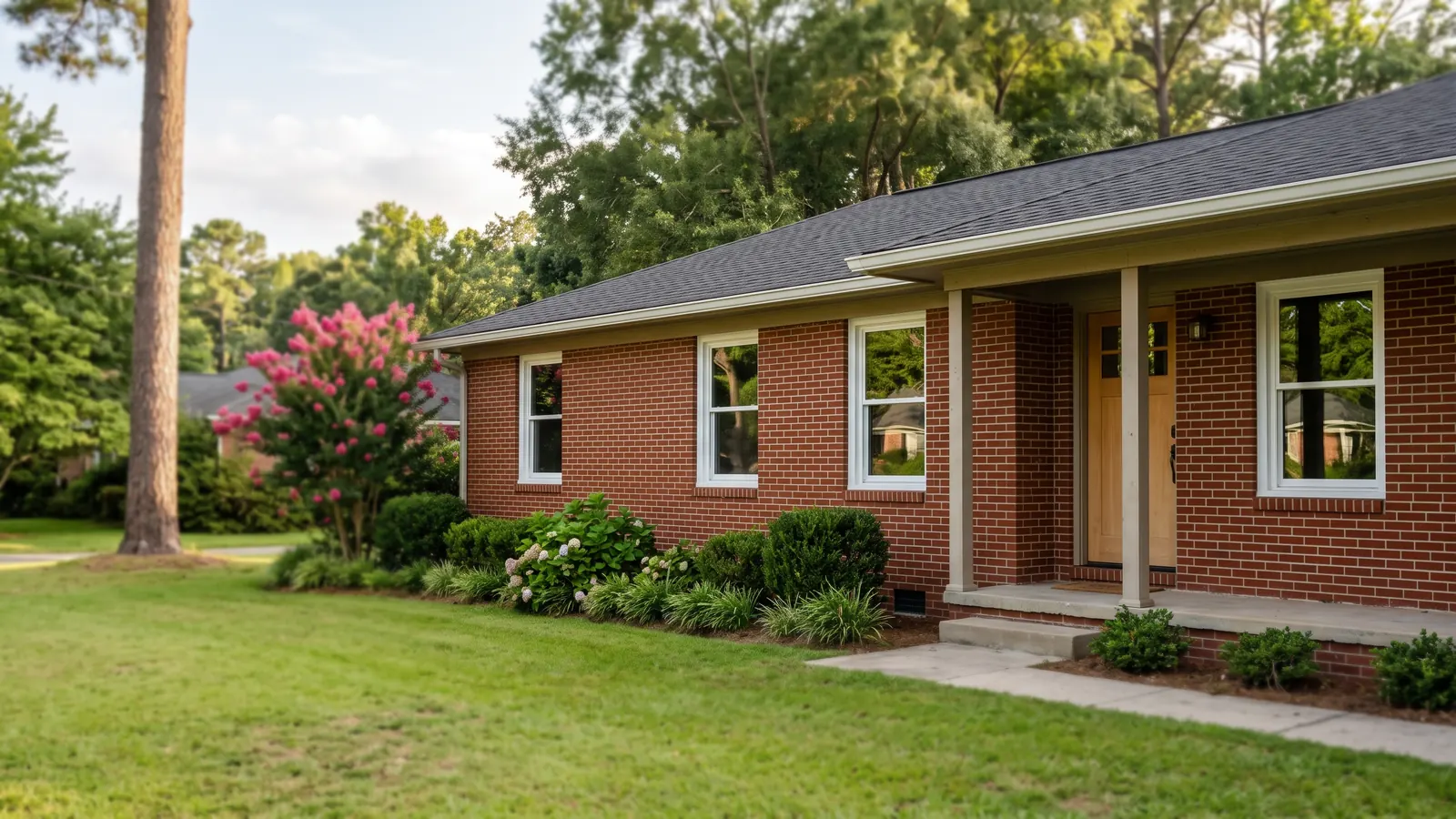
Storm Windows and Storm Doors, Inside and Out
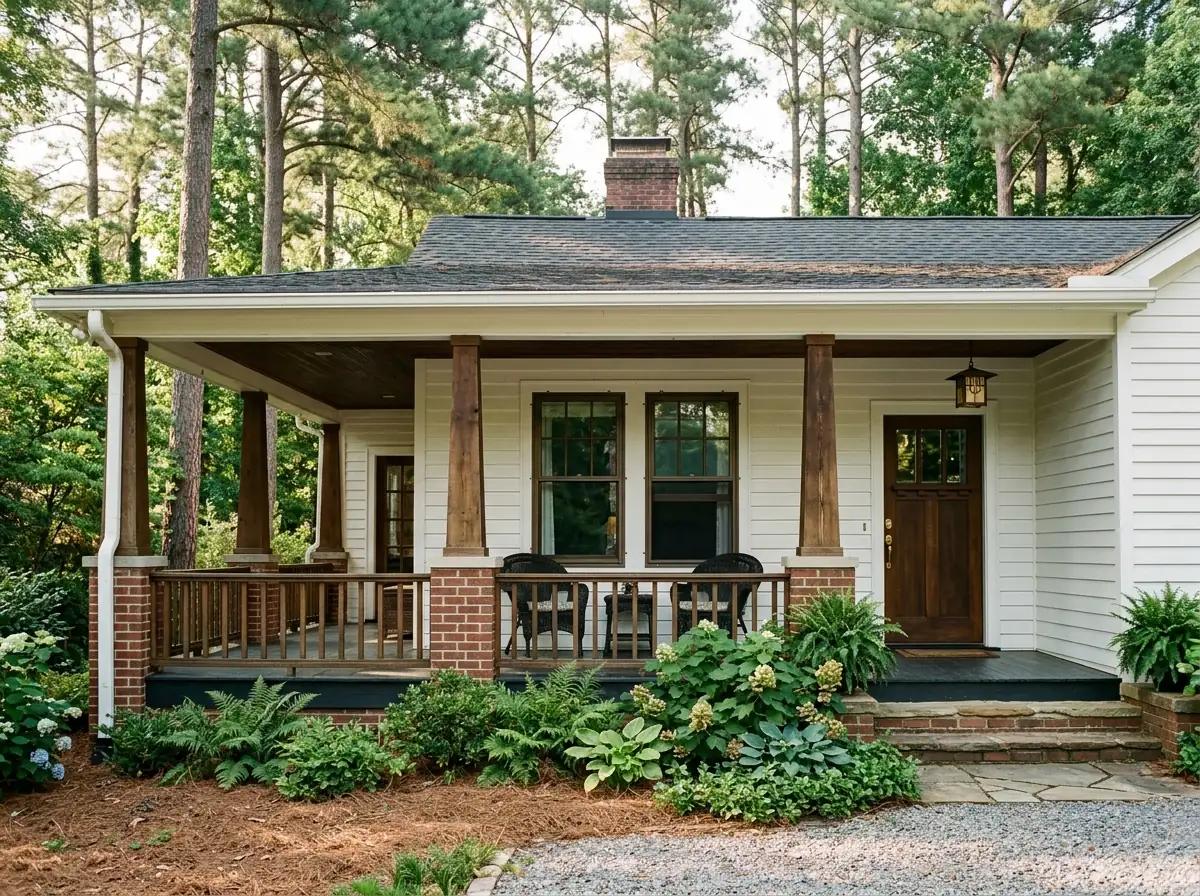
Exterior Triple-Track Storm Windows
The familiar kind. An aluminum frame screws to the outside of the window casing and holds three tracks: two glass sashes and a half screen. Slide the lower glass up and the screen takes its place, so the window behind can still open for air. Two-track versions drop one of the glass panels to save cost.
The Department of Energy describes modern storms as permanently mounted units, fixed or operable, made to follow the window behind them, such as a single-hung storm over a single-hung window. They're not the old seasonal panels that came down every spring. The bottom edge of an exterior storm has weep slots so rain that gets behind it can drain out. Those slots should never be caulked shut.
Interior Storm Windows: Magnetic and Compression-Fit
Interior storms sit inside the window opening on the room side. Magnetic panels snap to a steel strip around the opening. Compression panels have a soft gasket around the edge and press into the jambs. Either one comes out in seconds and leaves the outside of the house unchanged, which matters on a house in a historic district.
There's a catch in a humid climate. The National Park Service warns that moisture trapped between an interior storm and the old window can condense on the colder outer window and rot it, and that a durable airtight seal on the interior panel is hard to get in practice. ENERGY STAR's 2017 criteria analysis for storm windows set no criteria for interior storms in the South-Central or Southern zones, saying research suggested they weren't an appropriate application there. Columbia is in the South-Central zone. So in Columbia an interior storm is mainly a draft and noise fix, not something to choose for energy savings.
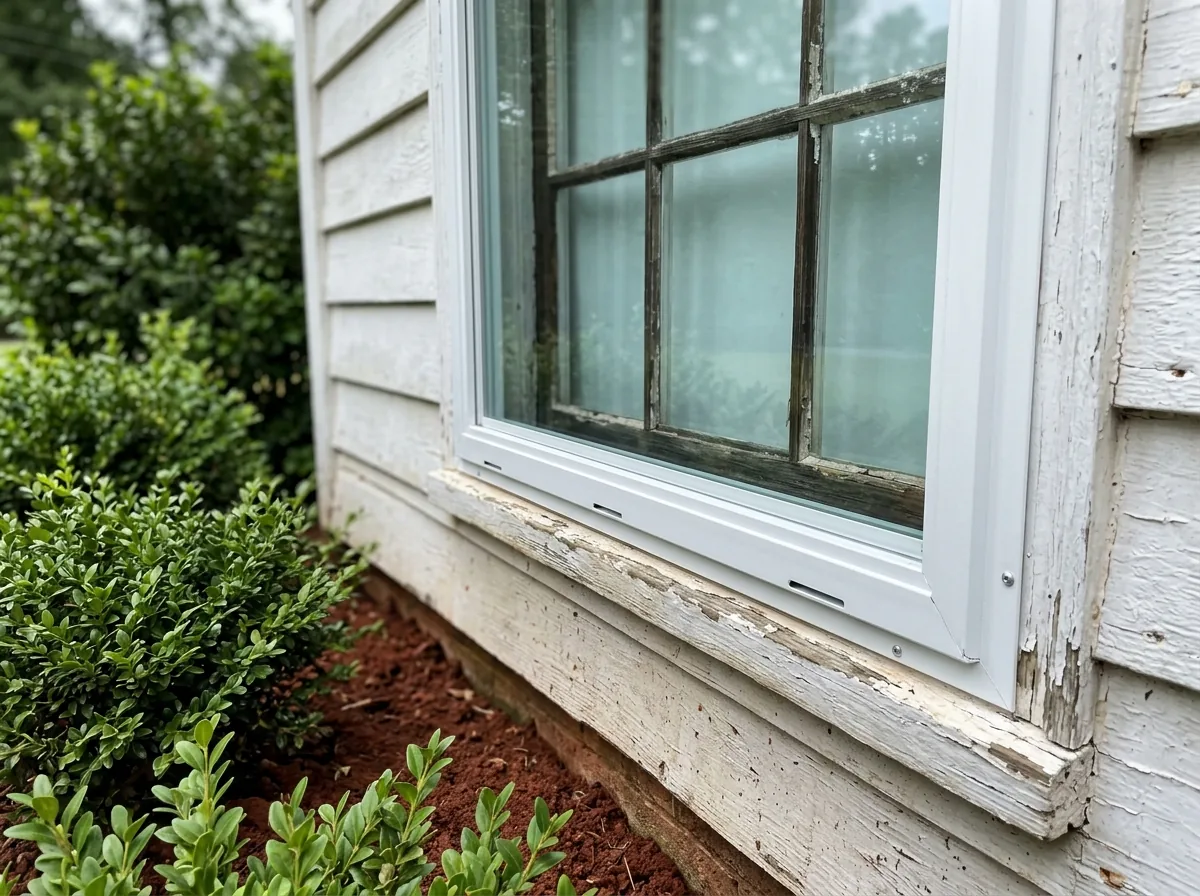
Low-E Storm Windows
Older storms were clear glass. Low-E storms have a coating that reflects heat, and the DOE lists what that buys: radiant heat reflected 35% better than clear-glass storms, home air leakage cut by 10% or more, and heating and cooling savings of 10% to 30% depending on the window behind it. Its headline figure: savings similar to a full window replacement, at about one-third of the cost. PNNL research cited by ENERGY STAR found low-E storms improved the U-factor of non-metal windows by 47% to 61%.
Ask for the AERC rating or the ENERGY STAR label on the storm itself. "Low-E" on a brochure doesn't tell you which coating it is.
Storm Doors: Full-View, Ventilating and Retractable-Screen
A storm door protects the entry door, adds a screen for summer and can turn a front door into a breezeway. The main styles:
- Full-view. One tall glass panel for the most view and light.
- Ventilating. Two glass panels that slide up or down over a screen.
- Retractable-screen. A built-in screen that rolls up or down into a hidden housing in the frame.
- Mid-view and high-view. A solid kick panel at the bottom, which suits kids and dogs.
On a door that takes afternoon sun, a full-glass storm door can trap heat against the entry door. Check the entry door maker's guidance before adding one over a painted or vinyl-faced door.
Why Columbia homeowners call Columbia Window Co.
- Your request goes to one independent local window installer, not a list of callers
- The installer measures each opening in person before any price
- Ask for a written quote naming the frame, glass package and install method
- Free to homeowners: no fee for the referral or the estimate
Storm Windows and Wind: Impact Glass Is a Choice Here
People ask whether storm windows here need to be hurricane-rated. Under the residential code South Carolina uses, glazing only has to be protected from wind-borne debris inside a wind-borne debris region. That means within 1 mile of the coastal high-water line where the design wind speed is 130 mph or more, or 140 mph in some open-water exposures. The state sets each county's wind speed through maps published by the Building Codes Council. Columbia is nowhere near that coastal strip, so impact glass and storm panels rated for debris are an option here, not a code requirement. Sound and security are better reasons to look at laminated glass. The soundproof windows page covers laminated glass in detail.
Storm Windows Pricing and Ratings
Storm windows are priced per opening by size, number of tracks, glass type (clear or low-E) and frame finish. Odd sizes and arched tops are custom. For storm doors, HomeGuide's national figures are:
Installed, new
$350 to $950 on average; replacing an existing storm door runs $400 to $1,050.By style
Full-view $425 to $950, ventilating $425 to $975, retractable-screen $475 to $1,000, low-E glass $475 to $1,000.
What to get on the written quote for storm windows:
Mounting
Outside on the blind stop or casing, or inside the jambs, and how the frame is sealed to the house. The top and sides get sealant; the bottom stays open.Glass
Clear or low-E, and the AERC or ENERGY STAR rating for the low-E unit.Operation
Fixed, single-hung, double-hung or slider storm, matched to the window behind it.Finish
A frame color that matches the trim. The National Park Service advises against unfinished aluminum storms on historic houses.
Storm Windows Over Old Wood Sash
Storm windows are mostly bought for old houses. The original wood sash stays, and the storm takes the weather and the drafts. The National Park Service notes that exterior storms are reversible and let the original windows stay. It also gives U-values: single-glazed wood windows at 0.88 to 0.99, and 0.44 to 0.49 with a storm added, against about 0.6 for a double-glazed metal window without a thermal break. Those are 1977 ASHRAE figures, not today's ratings, but the comparison still holds. The sash behind the storm still needs glazing putty, paint and working cords. That restoration work is on the historic window restoration page.
If the old sash is beyond saving, a storm won't fix it. Compare a storm-plus-restoration quote with the replacement options on the energy-efficient windows page.