
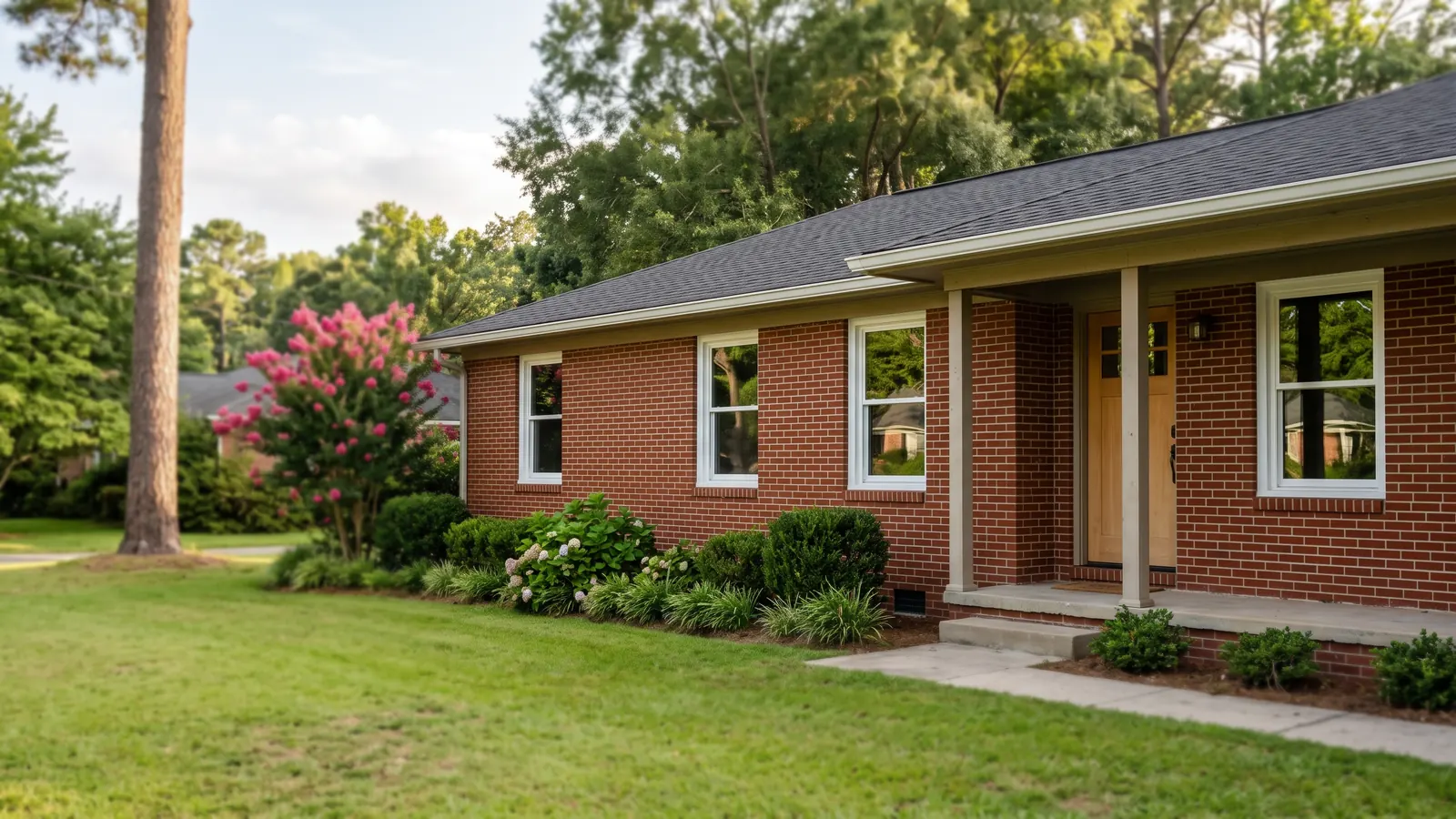
Historic Window Restoration, Sash by Sash
Sash Restoration and Reglazing
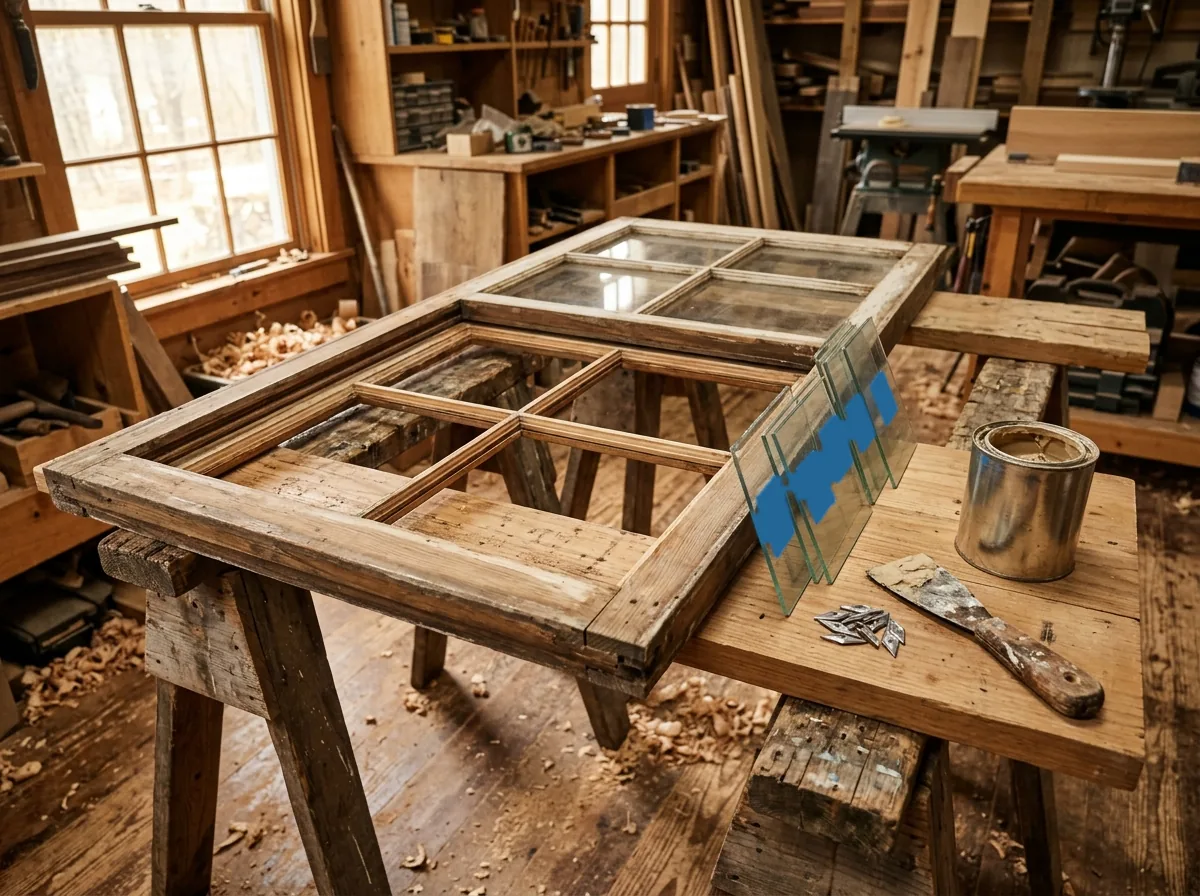
Most restoration is reglazing. The National Park Service's Preservation Brief 9 lays out the method. Remove the deteriorated putty by hand without gouging the wood rabbet. Pull the glazing points and number each pane so it goes back in the same opening. Then sand, patch and prime the sash. A bed of putty goes around the rabbet, the glass is set into it, new glazing points hold it, and a final bead of putty is beveled and painted once a skin forms. Hardened putty can be softened with a soldering iron at the point of removal rather than chiseled out.
A sash with loose joints, soft corners or a split rail is repaired at the same time, with epoxy for shallow decay or a spliced-in piece of matching wood where it runs deeper.
Sash Cords, Weights and Pulleys
Old double-hungs hang each sash from a cord over a pulley at the top of the jamb, with a weight hidden in a pocket inside the frame. When a cord breaks, the sash drops or won't stay up. The fix is to pull the stop and parting bead, open the weight pocket through its access panel, and tie in new cord or swap to chain, as the Park Service describes. Pulleys painted solid get freed and oiled. It's one of the cheapest repairs on an old window, and it brings back the top-sash opening that keeps a hot upstairs room bearable.
Keeping the Old Glass
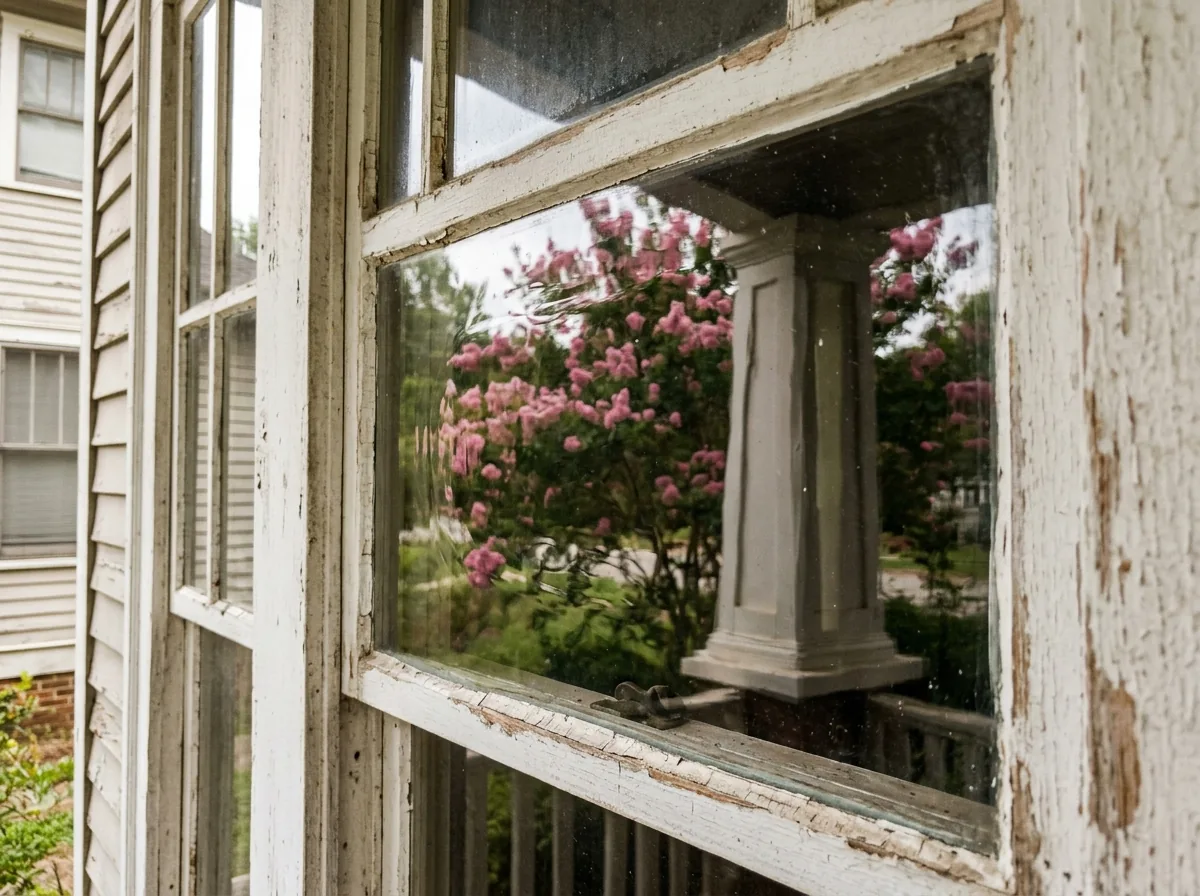
The wavy glass in old sash is part of why those houses look the way they do, and the Park Service says it's worth protecting because it "may be historic and often adds character to the window." Old panes are thin and brittle. The Park Service advises soaking putty-coated panes in linseed oil to soften the putty so it comes off with less risk of breaking the glass. When a pane does break, ask whether salvaged old glass can be found to match, because new float glass looks flat beside it.
Storm Windows Over Old Sash
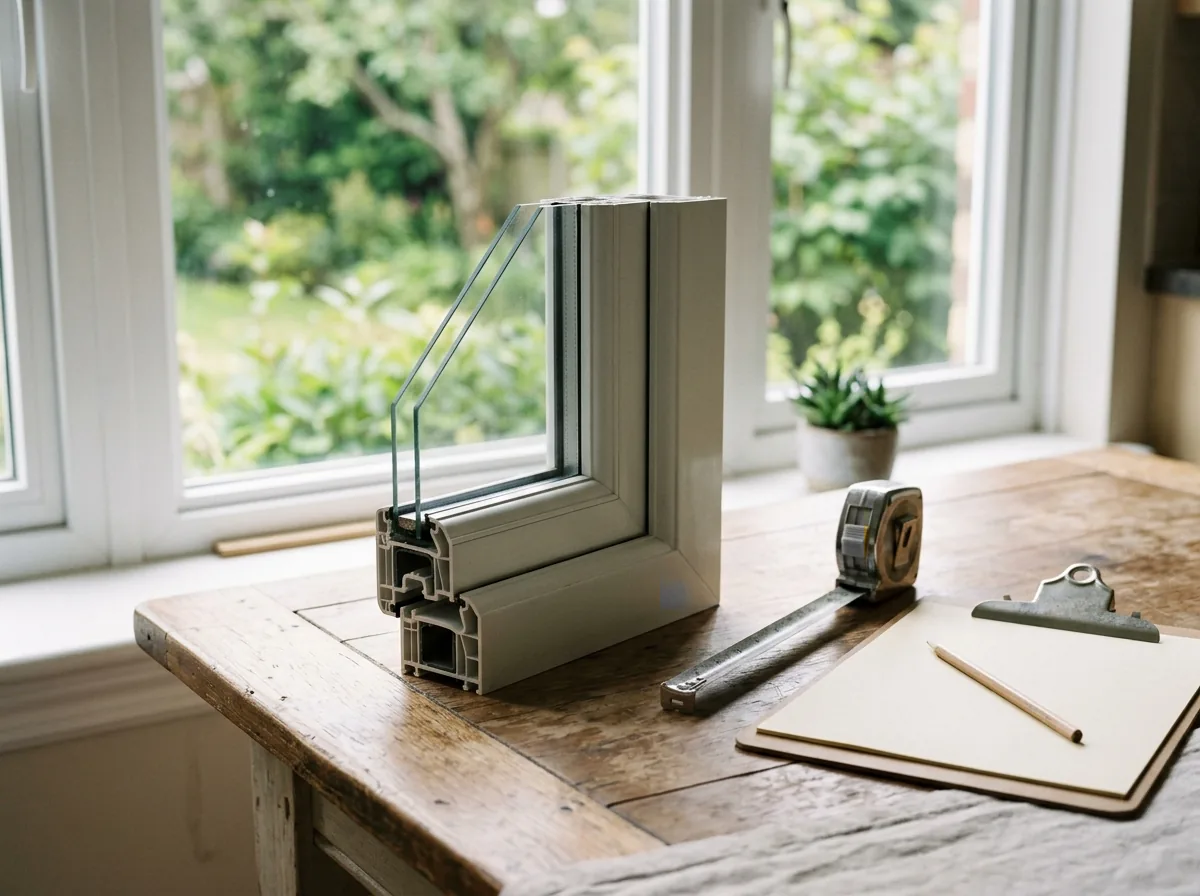
Restored single-pane sash is not as tight as new insulated glass, and a storm window is the usual answer. The Park Service says a historic wood window with a good storm added should outperform a new double-glazed metal window that has no thermal break. Storm types, low-E storm panels and the humidity risk of interior storms in this climate are covered on the storm windows page.
Lead-Safe Work on Old Paint
EPA notes that old lead paint on surfaces that rub, like window sills and sashes, makes chips and dust, and that about three-quarters of U.S. homes built before 1978 still contain some lead paint. Window restoration is scraping and sanding exactly those surfaces. In Columbia that's a large share of houses: about half of the city's housing units were built before 1980, and 40% before 1970.
Why Columbia homeowners call Columbia Window Co.
- Your request goes to one independent local window installer, not a list of callers
- The installer measures each opening in person before any price
- Ask for a written quote naming the frame, glass package and install method
- Free to homeowners: no fee for the referral or the estimate
Historic Window Restoration and the RRP Rule
EPA's RRP rule says anyone paid to do work that disturbs painted surfaces in a home built before 1978 has to be a certified firm, with trained workers. That includes sole proprietors. South Carolina doesn't run its own program, so EPA administers the rule here.
Two points from the federal regulation matter for windows:
The small-job exemption doesn't cover window replacement
The rule exempts "minor repair and maintenance" that disturbs no more than 6 square feet of painted surface per room inside, or 20 square feet outside, but not where the work involves window replacement. Window repair is named in the rule's definition of a renovation, and reglazing a house full of sash is well past those limits anyway.Some methods are banned
Open-flame burning or torching of painted surfaces is prohibited. Heat guns are allowed only below 1,100°F. Power sanding or planing of paint is only allowed with a shroud and a HEPA vacuum attachment. Inside, the floor is covered with taped plastic at least 6 feet beyond the work.
Ask the contractor for the firm's EPA certification and the certified renovator's name before any paint is disturbed. Ask how they'll strip the sash: in the house, or taken to the shop.
Historic Window Restoration in Columbia's Districts
Owners in Columbia's historic districts have one more step. The city's window review sheet says all Architectural Conservation Districts require window review, and several Protection Areas have opted in. The list includes Cottontown/Bellevue, Elmwood, Granby, Melrose Heights/Oak Lawn, University and Wales Garden ACDs, the Waverly and Whaley Protection Areas, and all Bailey Bill properties. The first step is to contact the city's preservation staff. Replacement is allowed only if the building is non-contributing, the windows aren't original or historic, or preservation staff find them beyond repair. The city also requires a Certificate of Design Approval before it issues a permit in a historic or design district.
That makes restoration the default path in those districts, and a written condition report from a restorer is useful either way: it shows staff what's repairable and what isn't. The sheet is a 2021 document, so confirm your street's status with preservation staff before you plan the job.
Historic Window Restoration: Repair or Replace
The Park Service's own position is to keep and repair original windows wherever possible, and its brief notes that most windows don't need extensive repairs. Restoration usually makes sense when:
The wood is mostly sound
Probe the sills and bottom rails first. If the rot is local, it's a repair; the window sill replacement page covers sills and frames.The house is in a review district
where replacement needs staff approval anyway.The glass and profiles matter to you
No replacement unit reproduces old glass.
Replacement makes more sense when the sash is missing, rotted through at several joints, or was already swapped for a poor modern unit. If water is getting in around the frame rather than through the sash, that's a window leak repair question first.
A restoration quote should list, per window: reglazing, cord and pulley work, wood repairs, paint, weatherstripping, the RRP method, and whether the sash leaves the house.