
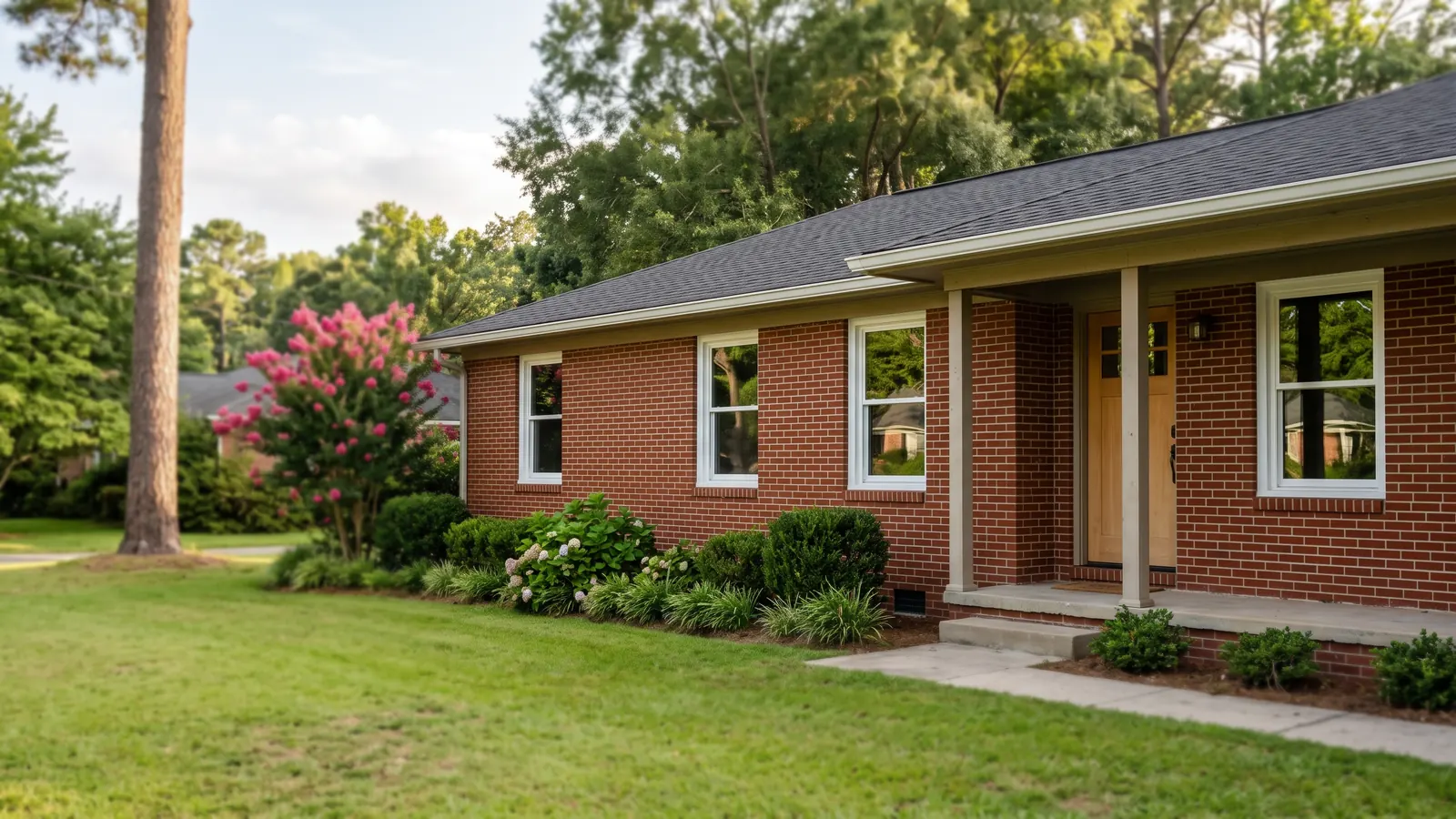
Double-Hung and Single-Hung Window Styles
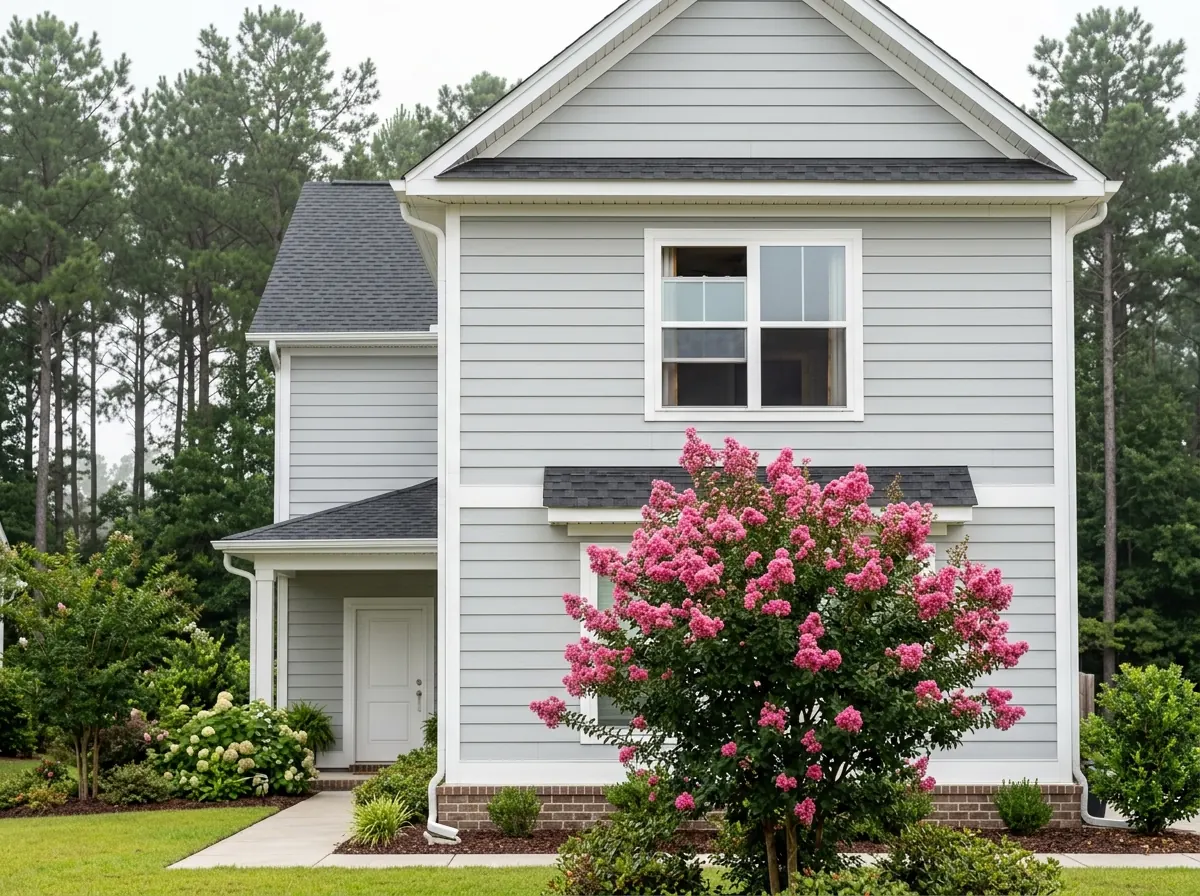
Tilt-In Double-Hung Windows
Both sashes move, and that is the reason to pay for the style. Drop the top sash a few inches and raise the bottom one by the same amount, and warm air leaves high while cooler evening air comes in low. Tilt latches on the top rail let each sash swing inward on its pivot pins, so the outside of the glass gets cleaned from inside the room. HomeGuide notes that many brands now build their double-hungs with tilting sashes, and it puts an installed double-hung at $350 to $2,500 per window nationally. That spread covers size, frame material and series, from a builder-grade vinyl unit to clad wood.
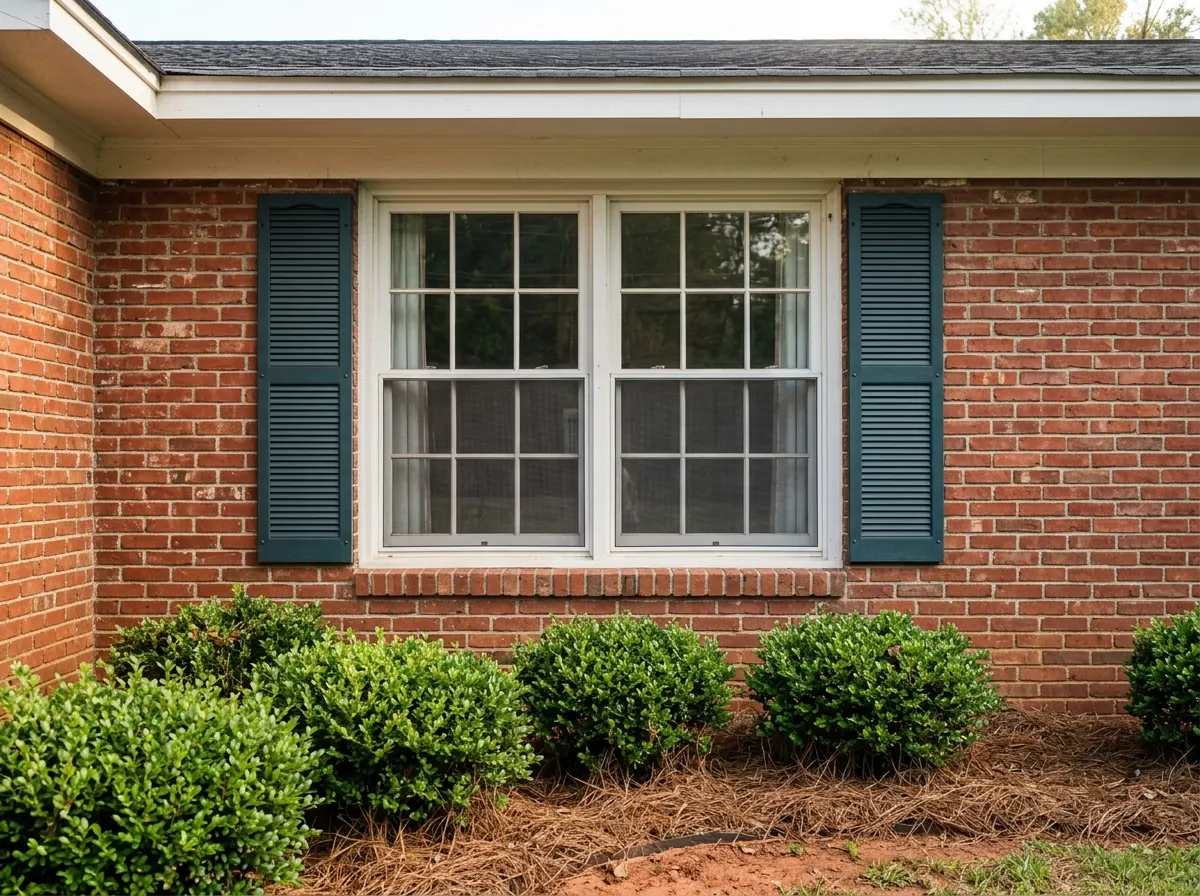
Single-Hung Windows
Here the top sash is fixed and only the bottom one slides up. One sash fewer means one less set of seals and balances to wear, and HomeGuide's national installed range starts lower, at $300 to $2,100 per window. The catch is cleaning: the fixed upper glass can't tilt in, so its outside face gets washed from the yard. On a ground-floor bedroom, behind shrubs you can reach with a hose, that rarely matters. On a second story it's a ladder job every time.
Block-and-Tackle, Coil and Spiral Balances
The balance is what holds a sash where you leave it. A block-and-tackle (or channel) balance uses a cord, a spring and a set of pulleys inside a channel. A coil, or constant-force, balance uses a wound metal strip that pulls with the same force along the whole travel. A spiral balance is a twisted rod inside a tube, and the oldest wood windows used cords running over pulleys to iron weights in the wall. The manufacturer matches the balance to the sash weight, so ask which kind the series uses and whether parts are easy to get. If you have a sound window that drops shut or creeps up, a new balance may be all it needs, which is a window repair visit, not a new window.
Grilles and Simulated Divided Lites
True divided lites, with each small pane set in its own muntins, are mostly found on old houses and restorations, and they cost the most. Simulated divided lites put one sheet of glass behind muntin bars bonded to the outside and usually the inside too, with a spacer bar between the panes so the bars read as real from the street. Grilles between the glass are the cheapest and easiest to clean, but they look flat, and a low-E coating can mute them further. A glazing contractors' association bulletin adds that both simulated options use one lite of glass, so no heat moves through the muntins. A six-over-six pattern on a 1940s cottage looks right with simulated bars. Flat grilles look fine on a newer two-story house.
Hung Windows in Ranch and Two-Story Homes
On a brick ranch, hung windows often come in pairs, mulled together into a wider opening, and the sills sit within easy reach. There the choice between double- and single-hung comes down to budget and airflow. Upstairs, the tilt-in feature does the work, and so does the sill height. A bedroom window is also an escape route, and a hung sash only opens about half the frame's height. Before swapping an upstairs bedroom window for a different style or size, check the rules on egress windows.
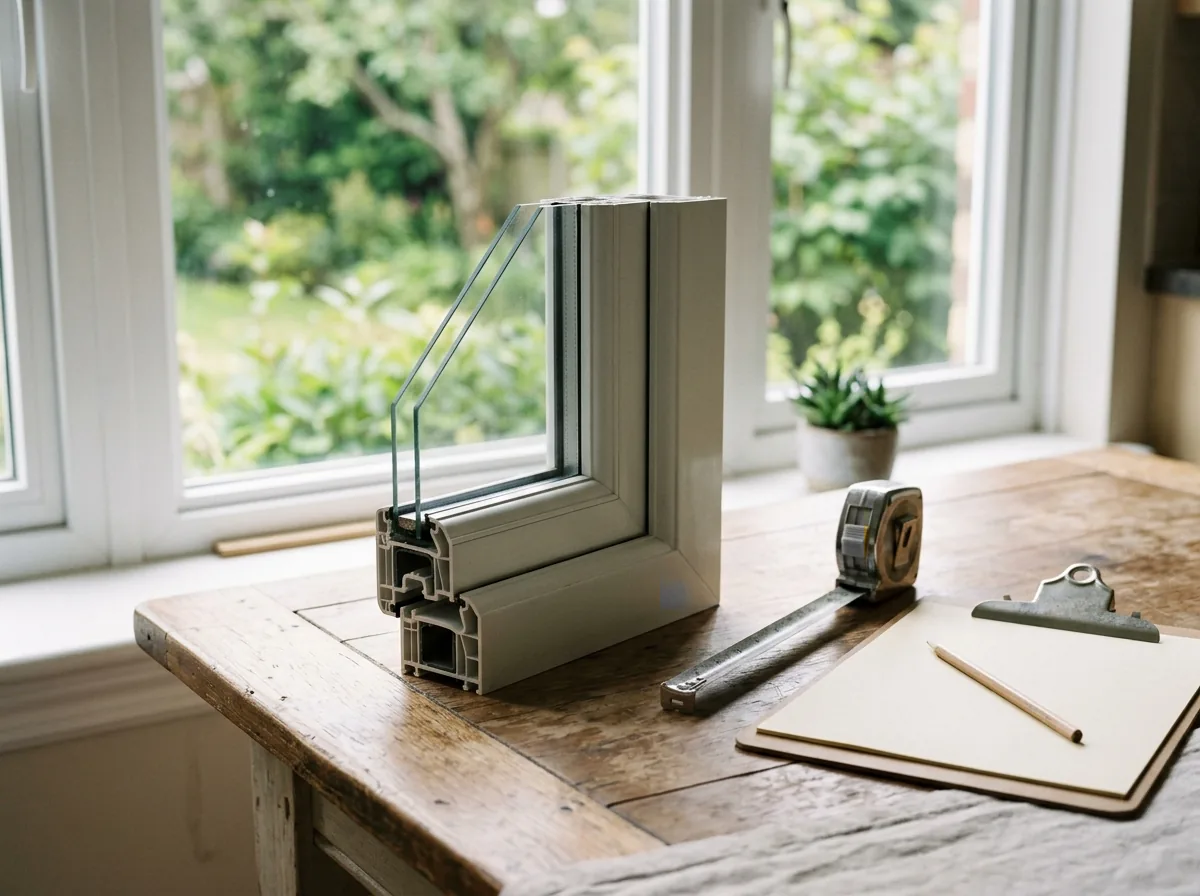
Why Columbia homeowners call Columbia Window Co.
- Your request goes to one independent local window installer, not a list of callers
- The installer measures each opening in person before any price
- Ask for a written quote naming the frame, glass package and install method
- Free to homeowners: no fee for the referral or the estimate
Double-Hung Replacement in Older Columbia Houses
Census figures show 6,095 of Columbia's 62,021 housing units were built in 1939 or earlier, and 5,281 more in the 1940s. That's nearly one home in five dating from the era of wood sashes hung on cords and weights. Owners of those houses have three paths.
- STEP01
Insert replacement
A new double-hung unit goes inside the old frame. Ask for the empty weight pockets to be insulated; the interior casing stays put. You lose a little glass at the edges. - STEP02
Full-frame replacement
The old frame comes out to the rough opening. That costs more, but it shows any rot and gives back the full glass size. Our retrofit window replacement page compares the two methods. - STEP03
Keeping the sash
Old-growth wood sashes can often be reglazed, re-corded and fitted with weatherstripping. If the house is in one of the city's historic districts, or was built before 1978, read historic window restoration first: window review and lead-safe work rules both start there.
Double-Hung Window Quotes: Lines Worth Checking
Two quotes for "ten double-hung windows" can describe very different products. Ask for each of these in writing:
Series and frame
The maker's product line, not just "vinyl double-hung." The series decides the balance, the lock and the glass package.Single or double-hung, opening by opening
Single-hungs on the ground floor and double-hungs upstairs is one way to trim the total. The quote should say which goes where.Labels
Each window's NFRC energy label and its NAFS performance rating, which the vinyl windows page explains. Read both before the old units come out.Air leakage
The Department of Energy notes that sliding sashes, hung windows included, generally leak more air than hinged windows that close against their frame. Compare the air-leakage figure across quotes, not just the U-factor.Grilles
Between the glass, simulated divided lites or none, and the pattern for each elevation.Locks and tilt latches
How many sash locks on wider units, and whether the latches are easy to reach.Trim and disposal
Whether interior stops and exterior trim are reused or replaced, and who hauls the old windows away.
Double-Hung Window Care Over the Years
Most problems with a hung window show up in the moving parts first. Grit in the jamb tracks makes a sash drag; vacuum the tracks, and check the maker's care sheet before putting any lubricant on them. A sash that won't stay up usually has a tired balance. A draft along the meeting rail, where the two sashes overlap, points to worn weatherstripping or a lock that no longer pulls the rails together. All of these are parts, not reasons to replace a window. How long the frame itself lasts depends on what it's made of, which is covered on the material pages.