
Retrofit Window Replacement Methods, Opening by Opening
Most houses end up with a mix. The front windows on a brick ranch may take inserts, while the one over the kitchen sink, where water has run down the sill for decades, needs a tear-out. Pricing each opening on its own is normal, and it's what we'd ask for.
Insert (Pocket) Replacement
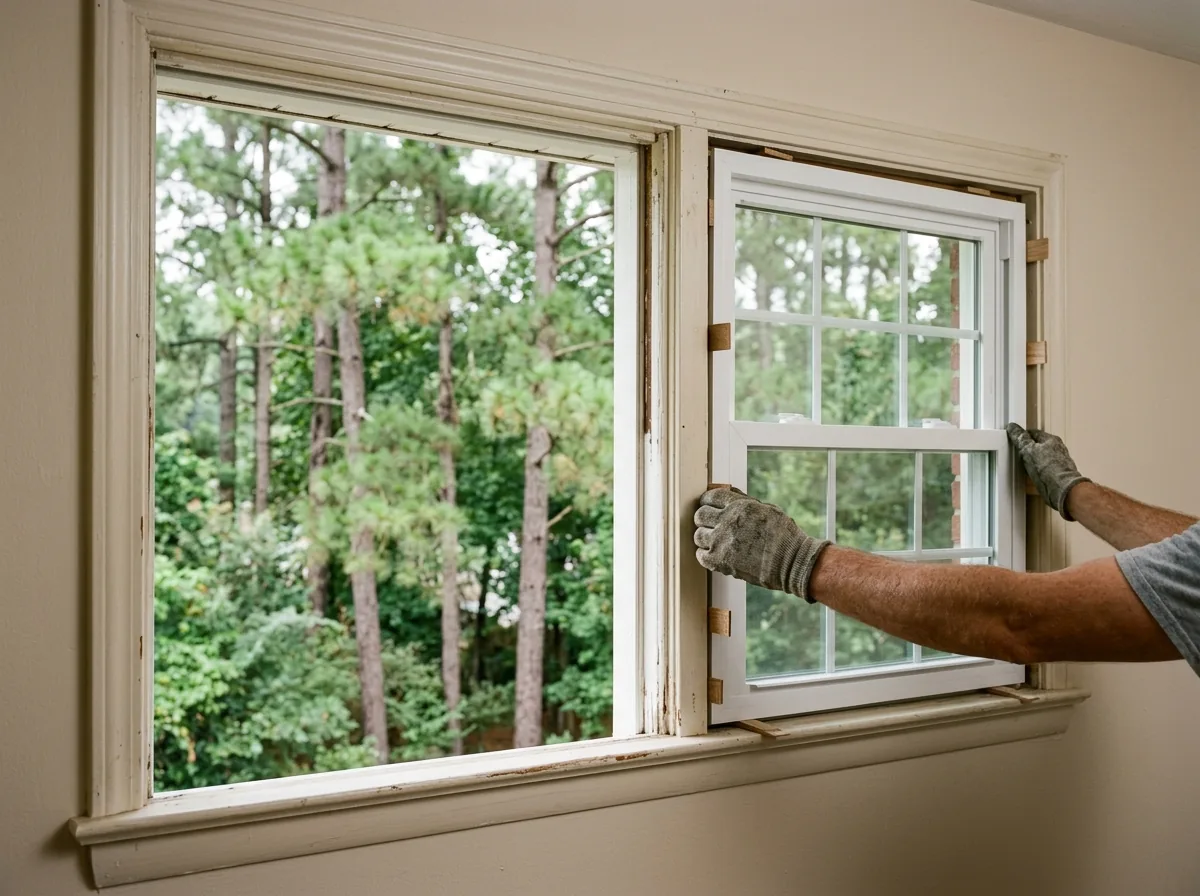
An insert is built to fit inside the existing frame. The old sashes, balances and stops come out, the jamb and sill stay, and the new unit slides into the pocket that's left. It gets shimmed, screwed through its own frame, and finished with new stops inside and aluminum or PVC capping over the old exterior trim.
The trade-off is glass. One frame sits inside another, so the visible glass gets slightly smaller. An insert is the right method when the old frame is structurally sound, free of rot and water damage, and within the window maker's tolerance for square and plumb. A good installer will push an awl into the sill and run a level and a tape across the diagonals before quoting one.
Full-Frame Tear-Out
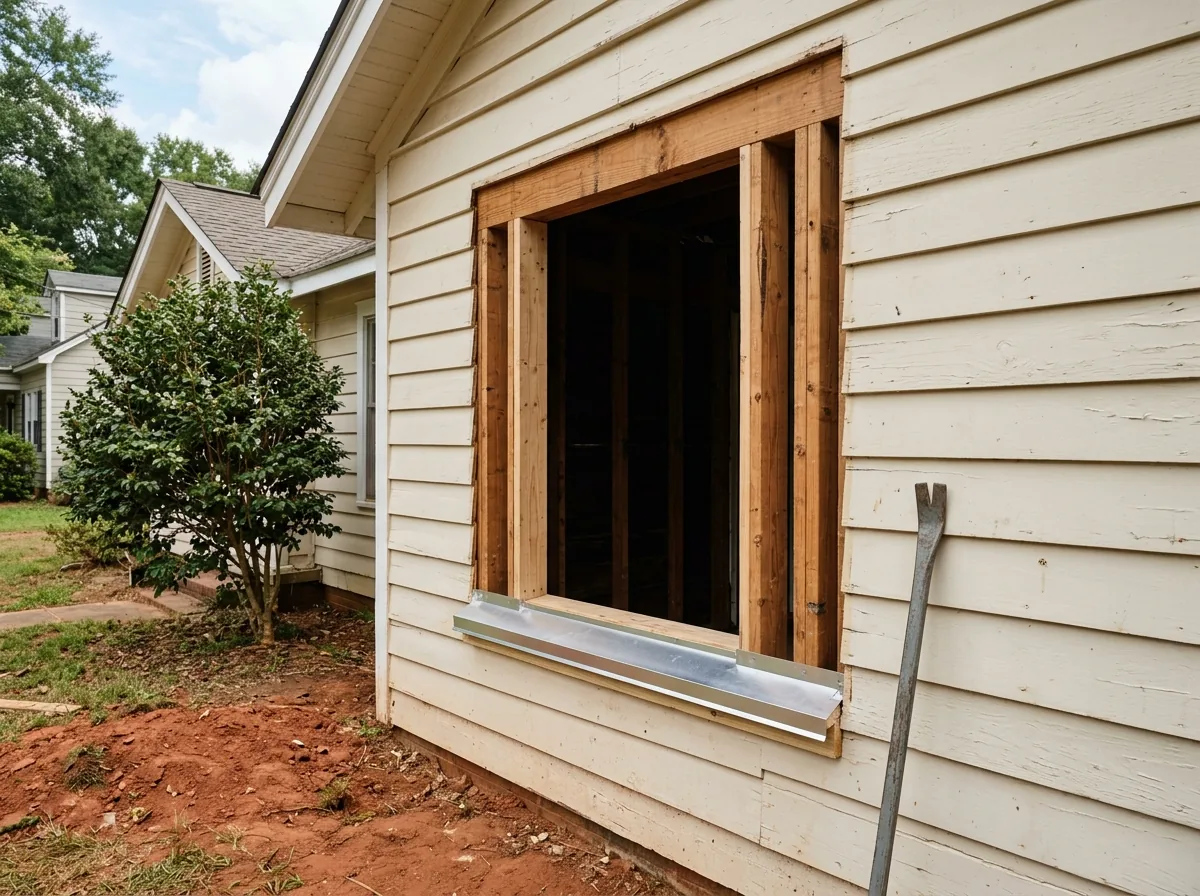
A full-frame replacement takes the whole window out: sashes, frame, interior casing and exterior trim, down to the studs. That's the only way to see the sill plate, header and sheathing behind the old unit, and to repair them before anything new goes in. It also lets the installer insulate the gap around the window and flash the opening into the wall's water barrier. How that flashing should be done is on the window leak repair page.
Full-frame costs more because more trim and carpentry are involved. It's also the only route back to the original glass size, or to a different size or style.
Nail-Fin Windows in a Tear-Out or New Opening
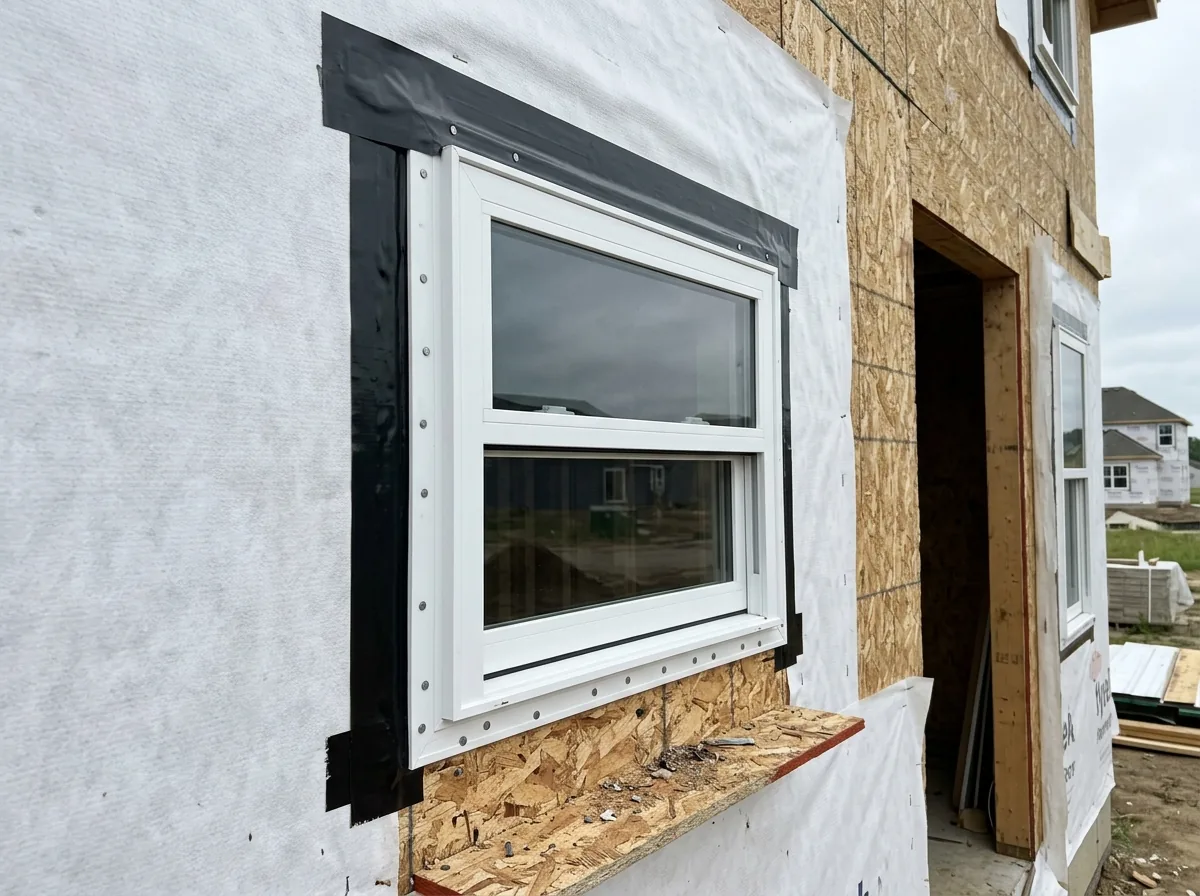
A "new construction" window has a nailing fin, a flange around the frame that fastens to the framing and gives the flashing tape something solid to seal against. In a replacement, that means the siding or trim around the opening comes off far enough to nail and tape the fin, then goes back on. Where pulling cladding isn't practical, the fin can be removed and the window fastened with masonry clips, brackets or screws through the jamb. A brand-new opening, such as a window added to a kitchen wall, is almost always a framing-and-fin job.
Brick-Veneer Openings
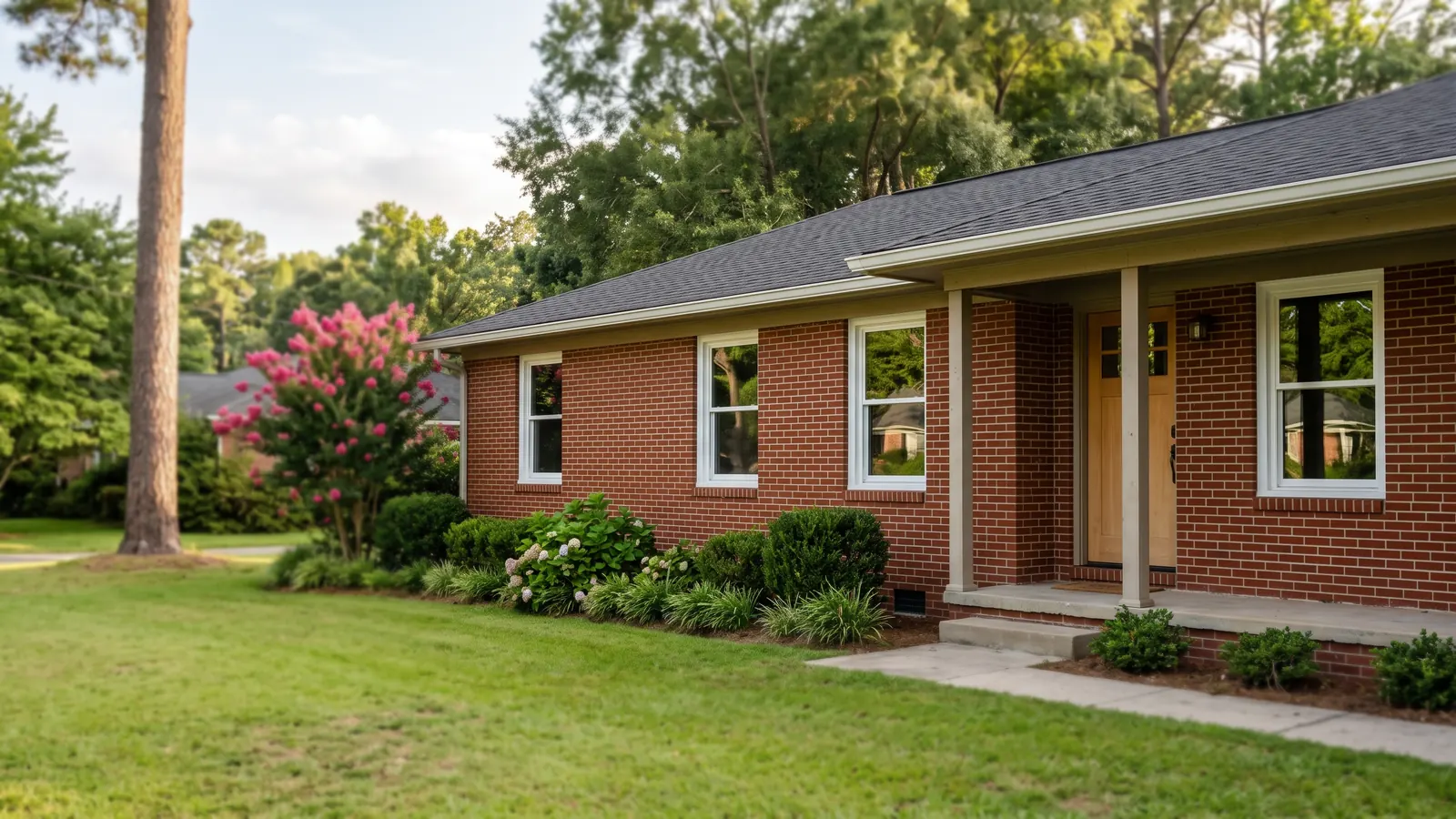
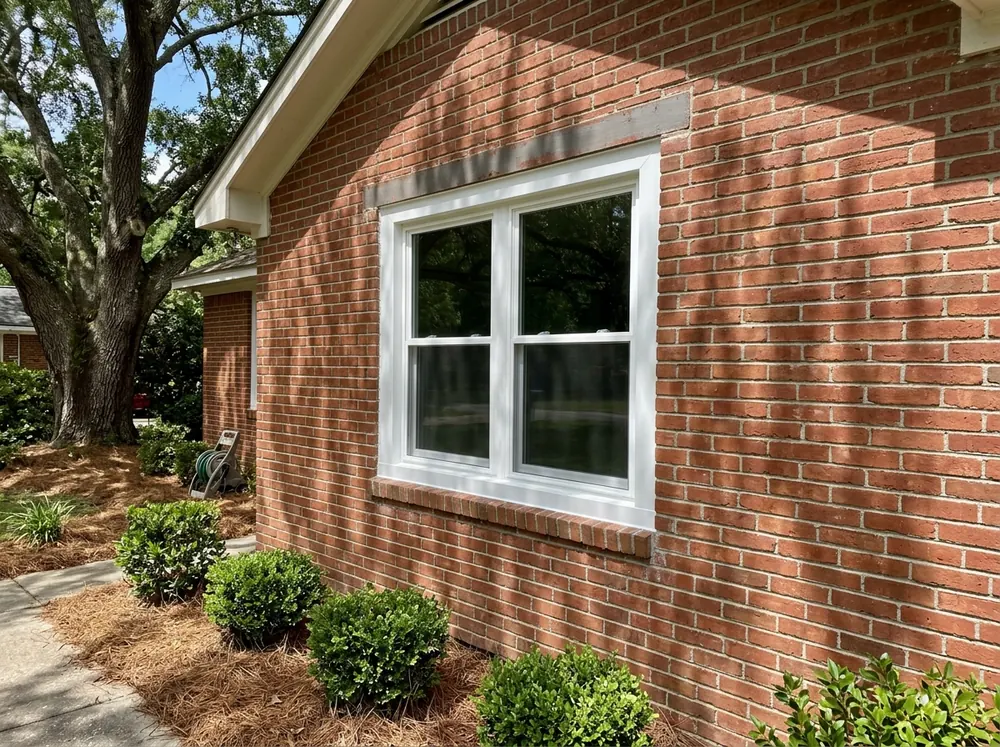
Much of Columbia's housing is postwar: of the city's 62,021 housing units, 7,493 date from the 1950s and 6,131 from the 1960s. On the brick houses of that era, the brick is a veneer with an air gap behind it, and the window's outside trim is a wood brick mold caulked to the masonry. An insert leaves the brick mold in place, usually wrapped in capping. A tear-out in brick can't slip a nailing fin behind the brick without removing courses, so the new frame goes in with clips or a flangeless profile. Ask the installer to check the steel lintel over each opening for rust while the old window is out.
Siding and Stucco Openings
Lap siding is the easiest wall for a full-frame job: the trim and a course or two come off, the fin gets flashed, and the siding goes back. Fiber-cement planks take more care to remove without cracking. Stucco is the hard one. Cutting it back to reach a fin means patching and matching the texture, so many stucco openings get an insert or a flangeless frame sealed to the existing opening instead.
Why Columbia homeowners call Columbia Window Co.
- Your request goes to one independent local window installer, not a list of callers
- The installer measures each opening in person before any price
- Ask for a written quote naming the frame, glass package and install method
- Free to homeowners: no fee for the referral or the estimate
Retrofit Window Replacement Cost: National Figures
No public price list exists for Columbia, so the numbers below are national and best used to sanity-check a local quote. HomeGuide puts a standard replacement at $450 to $1,500 per window installed, with the window itself at $350 to $1,000 and labor at $100 to $500. The unit makes up 65% to 75% of the price, labor the rest.
Frame material
Installed per window: vinyl $200 to $1,500, composite $400 to $2,300, fiberglass $400 to $2,000, wood $800 to $3,800.New openings
Adding a window where none existed runs $500 to $2,000 per window, because the wall has to be cut and framed.Rot around the frame
Siding repair around a rotted window adds $2 to $14 per square foot.Quantity
Replacing every window in one job lowers the cost per window.Method
Full-frame adds trim, flashing and carpentry that an insert skips. HomeGuide gives no separate per-method price, so get one for each opening.
The 2025 Cost vs. Value report adds a regional check. In the South Atlantic region, a ten-window job (3-by-5-foot double-hungs, low-E vinyl) came to $21,629, with 82.6% recouped at resale; the upscale wood version came to $26,445, with 71.5% recouped. Read the scope, though: the vinyl job says "do not disturb existing interior trim". That's an insert-style job, so we'd expect a whole-house tear-out to come in above it.
© 2025 Zonda Media, a Delaware Corporation. Complete data from the Remodeling 2025 Cost vs. Value Report can be downloaded free at www.costvsvalue.com.
Retrofit Window Permits, Code and Contractor Licensing in Columbia
The City of Columbia requires a permit for all regulated work and exempts cosmetic jobs like painting and flooring, but its residential page doesn't say where a same-size window swap falls. Call the city's Development Center before the job is scheduled, and get the answer in the contract: who pulls the permit, and whose name is on it. Outside city limits, Richland County's permitting office covers alteration and repair work. Inside a historic or design district, the city wants a Certificate of Design Approval before it issues the permit; the window review those districts apply is covered under historic window restoration.
The work itself is inspected against the 2021 International Residential Code with South Carolina's modifications, in force since January 1, 2023. Starting January 1, 2027, the 2024 edition replaces it, so a job permitted in early 2027 falls under the new book. New windows also have to meet the state energy code, and the energy-efficient windows page explains what that means on the NFRC label.
Licensing follows the job's price. South Carolina's Residential Builders Commission requires a residential builder license when a residential job costs more than $5,000. Specialty contractors register for jobs over $500, in up to three trade classes, and the commission's list of classes doesn't include a window trade. Ask which license or registration the contractor holds, and check the number on the LLR site.
Retrofit Window Quote Line Items
A whole-house number tells you little. These are the lines that make two quotes comparable:
Method per opening
Insert or full-frame, written next to each window, not once at the top.Daylight size
For inserts, the new visible glass size, so the loss isn't a surprise.Exterior finish
Aluminum coil or PVC capping over the old brick mold, or new trim.Interior finish
New stops only, or new casing, and who paints it.Perimeter seal
Low-expansion foam or backer rod and sealant around the frame, inside and out.Rot clause
A price per sill or per opening if rot turns an insert into a tear-out.Haul-away
Whether removal and disposal of the old units is included.
Built before 1978? Lead-safe rules apply to taking out old painted sashes; see historic window restoration for what they require.